
5 Signs Your Tires Aren’t Safe for Wet Roads

January 30, 2026

Wet roads don’t forgive worn tires. A tire that feels fine on dry pavement can lose its grip fast when there’s standing water, oily film, or that first rain after a long dry stretch. The tricky part is that tire problems often show up as small changes you can talk yourself out of. Then the next rainy drive feels sketchy, and you realize the tires have been trying to warn you for a while.


If you know what to look for, you can catch it before a wet-road slip turns into a close call.


Why Wet Roads Expose Tire Problems First


On dry pavement, even a tired tire can hang on because there’s more friction to work with. In the rain, tread depth and tread design matter a lot more because the tire has to push water out of the way to stay in contact with the road. If it can’t, it rides on a thin layer of water, and you get that floating feeling.


Hawaii roads can be a perfect example of why this matters. Quick weather changes, warm pavement, and sudden downpours can create slick conditions fast, especially on highways, bridges, and areas where water collects.


1. The Tread Looks Low Or Uneven Across The Tire


If you can see the tread is getting shallow, take that seriously in wet weather. The channels in the tread are what move water, so less depth means less ability to clear water. Uneven wear is just as important. If the inside edge is worn down or the center looks more bald than the sides, the tire won’t behave consistently in the rain.


A simple check is looking at the wear bars. If the tread is close to the wear bars, wet traction is already compromised, even if the tire still passes a quick glance test.


2. You Feel The Car Glide Or Get Light Through Puddles


If you hit standing water and the steering suddenly feels light, that’s your warning sign. Hydroplaning doesn’t have to be dramatic to be dangerous. Even a brief loss of steering feel is telling you the tire can’t evacuate water well at that speed.


Pay attention to whether it’s happening more often than it used to. If you find yourself slowing down a lot more in the rain just to feel comfortable, the tires may be the reason.


3. Longer Stopping Distances In Rain


Braking on wet roads is where weak tires really show themselves. If you notice the car needs more distance to stop smoothly in the rain, or the ABS kicks in more easily than it used to, the tread and rubber condition may be part of the problem. Some tires harden with age, even if the tread still looks decent, and harder rubber usually means less grip in wet conditions.


This is also why “it still has tread” isn’t always the full story. A tire can have tread left and still perform poorly on wet pavement if the rubber has aged.


4. The Steering Feels Nervous Or The Car Wanders In The Rain


A good tire feels planted. A worn tire can feel twitchy, especially on grooved pavement or in heavier rain. If you notice the car wandering in its lane, requiring extra small corrections, or feeling unstable in crosswinds when it’s wet, that’s worth paying attention to.


Sometimes alignment or suspension wear plays a role, but if the symptoms show up mostly in wet weather, tires move high on the suspect list.


5. Cracks, Bulges, Or A Tire That Just Looks Tired


Sidewall cracks, dry rot, and bulges are not cosmetic issues. Cracks can mean the rubber is aging, and bulges can indicate internal damage from impacts. Either one can make wet-road grip less predictable, and bulges in particular can fail without much warning.


If you see cracking around the sidewall or between tread blocks, or if one tire looks different than the rest, it’s worth having it inspected. We’ve seen plenty of tires that looked “okay enough” until someone looked closely.


Owner Mistakes That Make Wet Weather Driving Riskier


One big mistake is running low tire pressure. Underinflation makes tires run hotter and can reduce stability and wet grip. It also increases the chance of uneven wear. Another mistake is mixing very different tire types front to rear. Even if the sizes match, different tread patterns and rubber compounds can make the car behave strangely in the rain.


Waiting too long is the other one. Once the tread is worn down, you can’t get that wet traction back. Rotations and alignments help tires last longer, but they can’t restore grip to a worn-out tire.


A Practical Plan Before The Next Rainy Drive


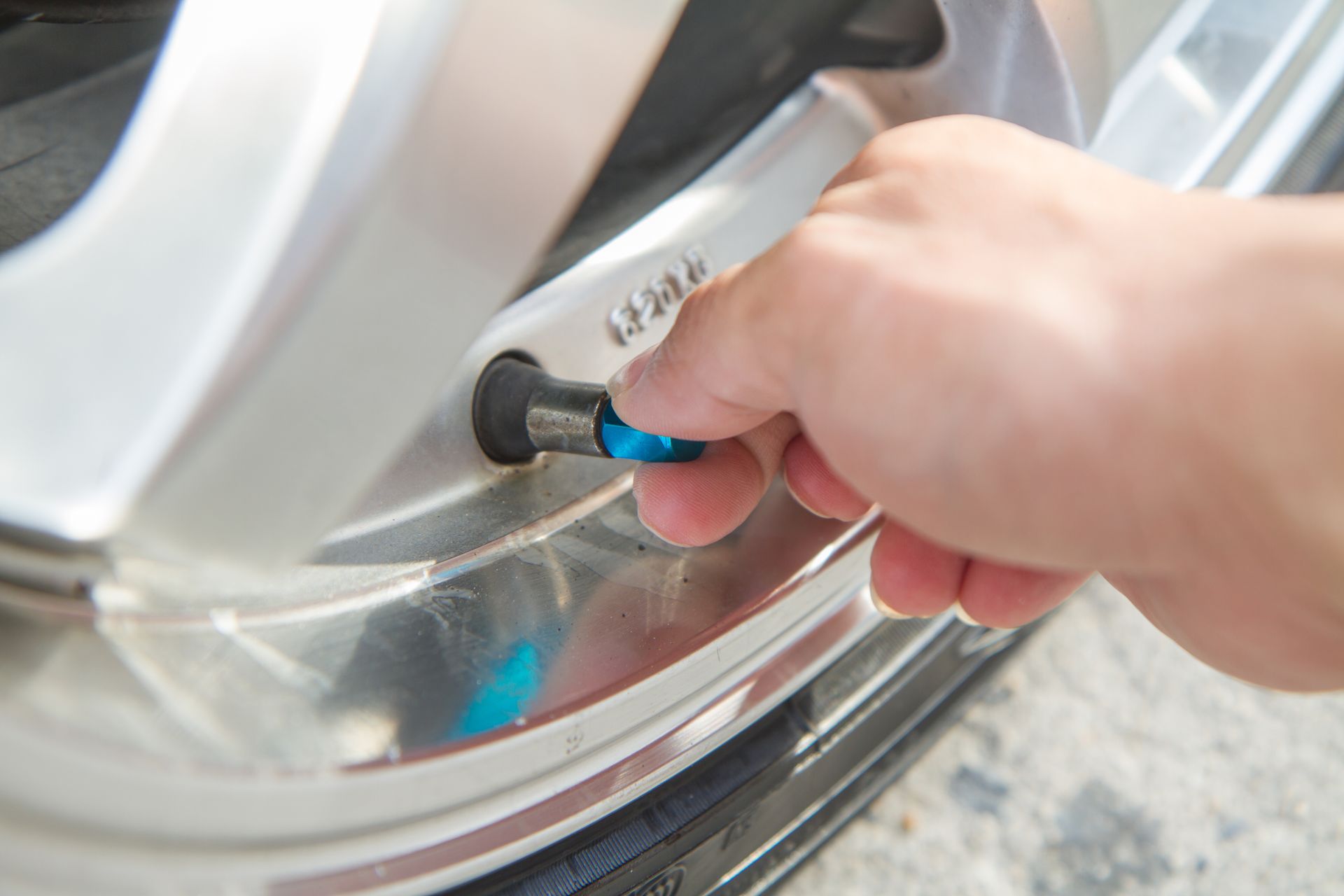
Start with a quick tread and pressure check. Look at all four tires, not just the fronts. If you have a gauge, set the pressures to the door sticker. If the tread looks low or uneven, plan for replacement sooner rather than later. If you’re not sure, an inspection can tell you whether you’re dealing with simple wear, alignment-related wear, or a tire that has aged out.


We tell drivers this all the time because it’s true: on wet roads, tires are your main safety equipment. Brakes help, but tires are what give the brakes something to work with.


Get Tire Service in Hawaii with LexBrodies


If you’re noticing longer stops in the rain, a light steering feel through puddles, or tread that’s getting low or uneven, it’s worth getting your tires checked before the next storm hits. We can inspect tread depth, check pressure, look for uneven wear, and help you choose tires that make wet roads feel predictable again.


Schedule tire service in Hawaii with LexBrodies, and let’s get you back to confident traction when the roads are slick.

What to Do When Your Steering Wheel Vibrates at Highway Speed | LexBrodies
December 19, 2025
LexBrodies in Hawaii explains what to do when your steering wheel vibrates at highway speeds and how to pinpoint the cause.
How a Dirty Cabin Air Filter Affects The A/C And Air Quality Inside Your Car | LexBrodies
November 28, 2025
LexBrodies in Hawaii explains how a dirty cabin air filter can reduce A/C performance and compromise the air you breathe inside your vehicle.
How to Identify a Bad Wheel Bearing Before It Seizes Up | LexBrodies
October 31, 2025
LexBrodies in Hawaii explains the signs of a failing wheel bearing so drivers can recognize the issue before it locks up completely.
How to Stay Calm Behind the Wheel During Honolulu’s Rush Hour | LexBrodies
September 26, 2025
Driving in Honolulu can be stressful, especially during peak traffic hours when the roads are packed and patience wears thin. Between merging lanes, unpredictable drivers, and endless stop-and-go movement, it’s easy to feel frustrated. But staying calm behind the wheel isn’t just better for your mood, but also makes you a safer, more focused driver. With the right mindset and a few practical strategies, you can navigate rush hour with less stress and more confidence. Plan Your Route Ahead of Time Before heading out, take a few minutes to check traffic conditions and plan your route. Apps and GPS systems can help you avoid heavy congestion or accidents, giving you alternative paths that save time and reduce frustration. In Honolulu, where traffic patterns can shift quickly, knowing your options makes a big difference. Even if you can’t avoid delays entirely, being prepared helps you stay in control rather than feeling stuck in the chaos. Give Yourself Extra Time One of the biggest sources of driving stress is running late. If you know you’ll be on the road during peak hours, leave earlier than usual. Building in extra time reduces the pressure to rush, making it easier to drive defensively and stay calm. When you’re not constantly watching the clock, you’ll find it easier to let small delays roll off your shoulders. Manage Your Space on the Road Heavy traffic can make it tempting to drive closely behind the car in front of you, but tailgating only increases frustration and risk. Maintaining a safe following distance gives you more time to react if someone brakes suddenly. Staying aware of your surroundings and keeping an open space around your vehicle also helps you avoid unnecessary lane changes or sudden maneuvers, which are common sources of stress during rush hour. Use Your In-Car Environment to Your Advantage Your driving environment plays a big role in your stress levels. Small changes inside your vehicle can make a noticeable difference: Set the temperature to a comfortable level Play relaxing music or a favorite podcast Keep your phone out of sight to avoid distractions These adjustments create a calmer atmosphere and help you focus on the road instead of the frustration around you. Practice Patience With Other Drivers In dense traffic, you’ll often encounter sudden lane changes, slow merges, or distracted drivers. While it’s tempting to react, staying patient keeps you safer and less stressed. Remember that everyone is trying to get somewhere, just like you. Avoid unnecessary honking and aggressive driving, because it only raises tension and doesn’t get you there any faster. Know When to Take a Break If traffic is crawling and you feel your stress levels climbing, it can help to take a short break. Pulling into a safe spot, stepping out for fresh air, or grabbing a quick coffee can reset your mood and keep frustration from building. Driving while tense or irritated affects focus and reaction time, so even a five-minute pause can make a big difference in your safety and comfort. Keep Your Vehicle in Top Shape Unreliable brakes, weak air conditioning, or mechanical issues can make an already stressful commute even worse. Routine maintenance ensures your vehicle responds smoothly in heavy traffic, keeping you confident behind the wheel. From tire inspections to brake checks , staying on top of basic services helps prevent surprises on the road. When you know your car is in good shape, it’s one less thing to worry about during Honolulu’s busiest hours. Stay Relaxed With Help From LexBrodies in Hawaii At LexBrodies in Hawaii, we know how demanding driving in Honolulu’s traffic can be. Keeping your vehicle well-maintained is one of the best ways to reduce stress and stay safe, no matter how congested the roads get. From inspections and tune-ups to brake and tire services , our team makes sure your car is ready for whatever rush hour throws your way. Schedule your service today in one of our 4 locations across the island and drive through Honolulu with confidence. 701 Queen Street Honolulu, HI 98-115 Kamehameha Highway Aiea, HI 94-169 Farrington Highway Waipahu, HI 46-158 Malina Place Kaneohe, HI
Can a Repair Shop’s Rewards Program Really Save You Money on Car Maintenance? | LexBrodies
August 29, 2025
LexBrodies in Hawaii shares how joining their rewards program can save you money and extend the life of your vehicle.
What’s the Difference Between a Basic and Full Synthetic Oil Change? | LexBrodies
July 25, 2025
LexBrodies, with 4 locations in Hawaii, breaks down the differences between basic and full synthetic oil changes to help you make the best choice.
What Is the Fixed Forever Brake Repair at Lex Brodie’s? | LexBrodies
July 13, 2025
LexBrodie’s in Hawaii shares details about their Fixed Forever Brake Repair and how it helps you save on long-term brake service.
What to Do When I See Oil Under My Car | LexBrodies
July 11, 2025
LexBrodies in Hawaii explains what to do if you notice oil under your car and how to identify the source.
What’s Causing That Loud Humming Sound From My Tires? | LexBrodies Honolulu
July 7, 2025
LexBrodies in Hawaii explains why your tires might be making a loud humming noise. Learn how to diagnose and fix tire-related sound issues.
Island Life, Island Driving: How to Maintain Your Car in Honolulu | LexBrodies Honolulu
July 3, 2025
LexBrodies Honolulu in Honolulu, HI, shares expert tips on maintaining your car in island conditions. Keep your vehicle running strong in the unique Hawaiian climate.