

Inspect your brakes
August 15, 2017
The braking system on your car is one of the most important safety features on your vehicle and needs to be closely monitored. Properly maintaining your brakes will help keep your vehicle handling safely and can help prevent unexpected and escalating repair expense. It is important to realize that Hawaii’s driving, conditions are extremely hard on brakes. The traffic, hills, humidity, and the way you drive, all play a role on how long your brakes will last.
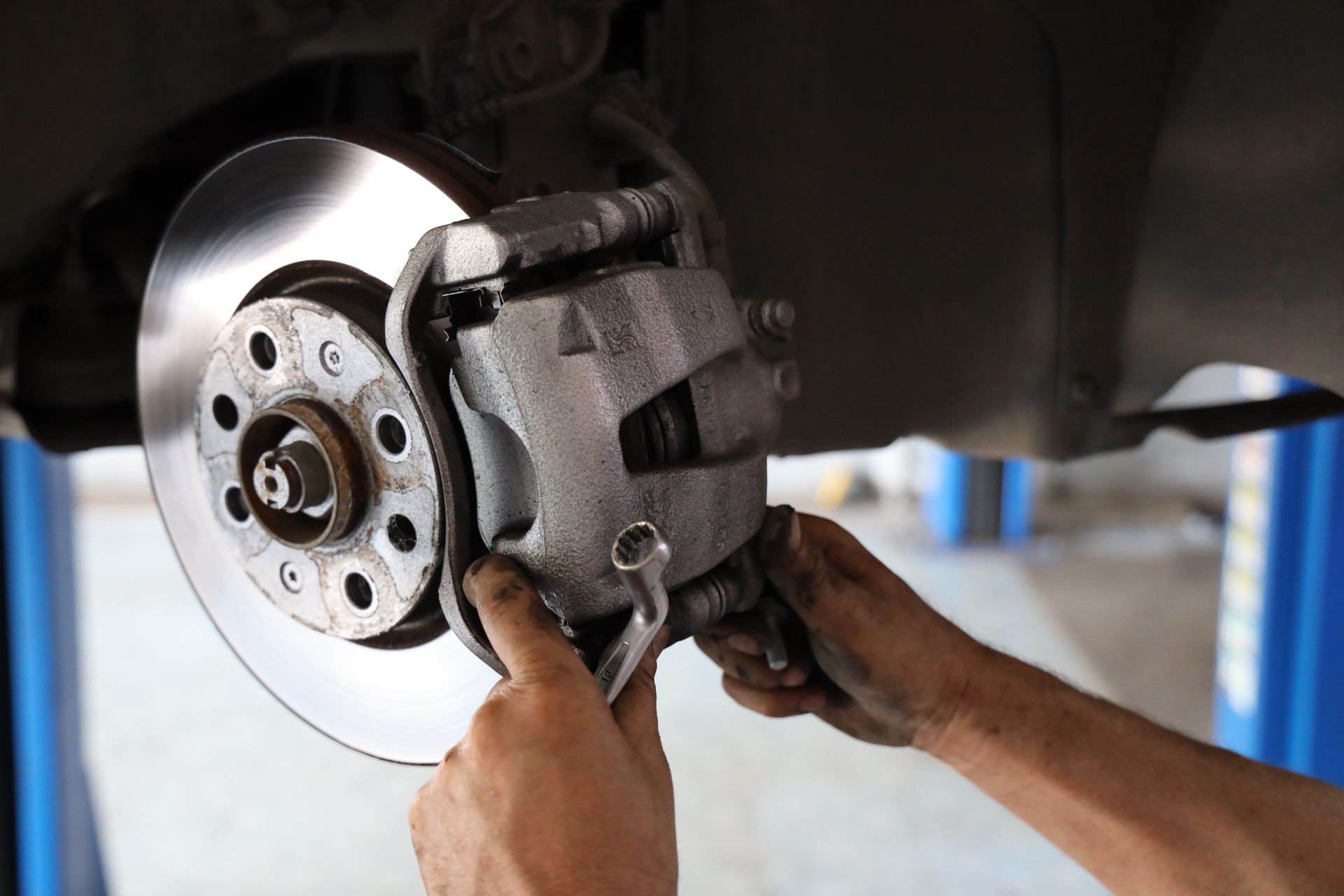
Have your brakes checked each time you rotate your tires, It is recommended that you do this in 6-8000 mile intervals. The tires will be off the vehicle so it’s the perfect time to check for brake wear. Doing so will keep you aware of the condition of your brakes and allow you to work any upcoming, brake repairs into your budget. It can also prevent worn brakes from going “metal-to-metal” which would likely add additional cost when it comes time to perform the brake repairs.
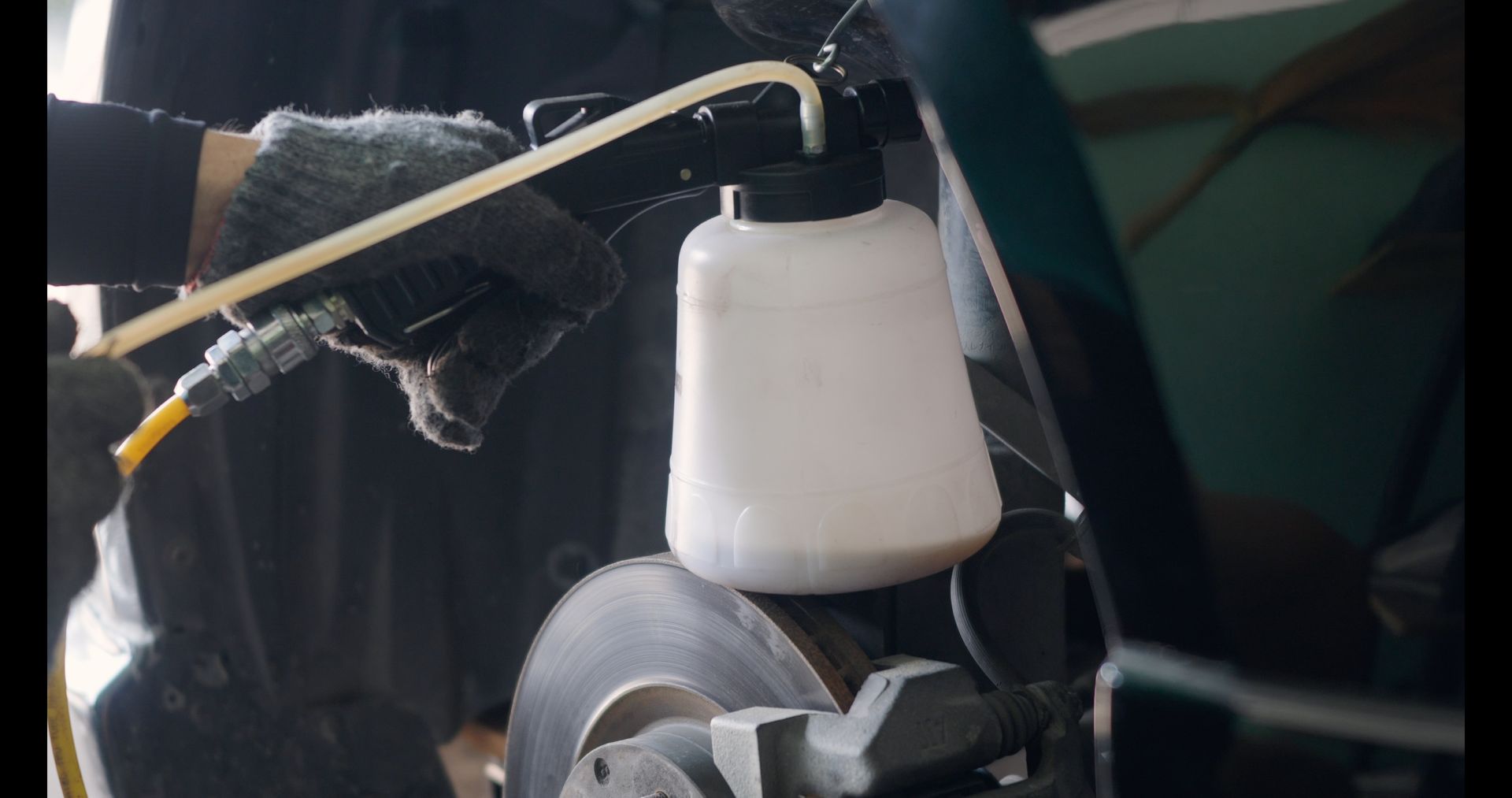
As well as inspecting your brakes linings, it’s important to check your brake fluid. Brake fluid contains lubricants and corrosion inhibitors. When brake fluid becomes contaminated the brake fluid boiling point is reduced making the fluid less effective in handling the heat generated while braking. When the brake fluid reaches its boiling point it can cause a sudden loss of hydraulic pressure when the brakes are applied. This will give you a low or spongy brake pedal. As brake fluid ages it can accumulate moisture and loose its effectiveness to lubricate and prevent corrosion, which could eventually lead to premature failure of brake parts. This is especially true with vehicles equipped with anti-lock brakes. It is recommended by Ray Bestos, for most vehicles, that you flush out your brake fluid every 2 years or every 24,000 miles.
It is important to know the warning signs of possible brake problems. One of the most common problems with brakes are noises like grinding or squeaky. Although your brake noises may be normal it may actually be an indication of a problem. Most vehicles have brake pads that are equipped with wear indicators built onto it. When the brake pads reaches its minimum thickness the wear indicators comes into contact with the rotors creating a high pitch scraping noise alerting he driver that it is time to have the brake pads replaced. A soft or fading pedal is another clear sign of serious brake problems. When the pedal fades, your vehicle should not be driven.Among many possbilities you may have a brake fluid leak or a bad master cylinder. See a brake specialist immediately. It’s recommended to always tow a vehicle with suspect brakes.
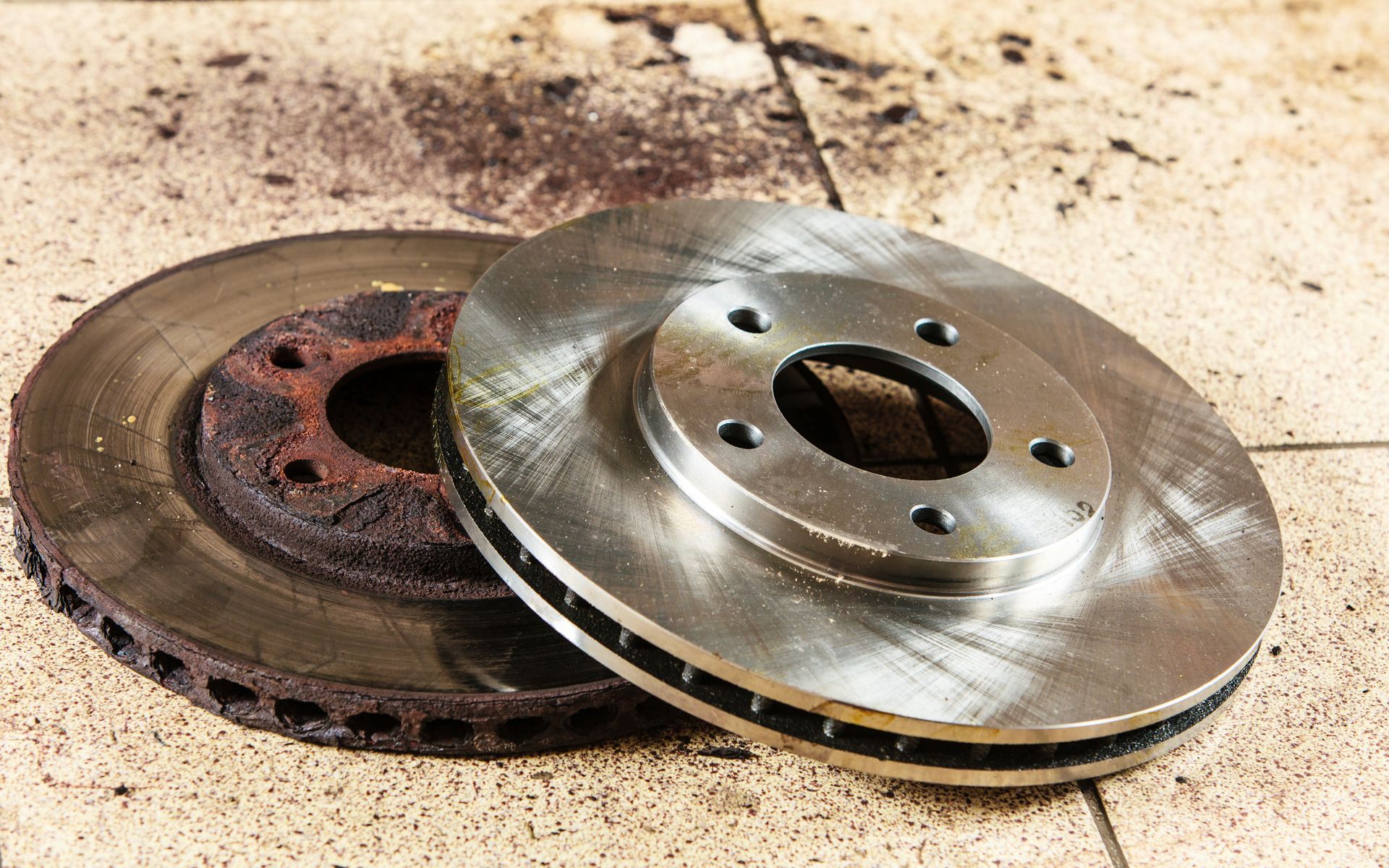
Brake pulsation or vibrition is becoming, a common problem. With Hawaii’s warm climate, our heavy “stop and go” traffic, and mixing in our hills and mountains; brakc systems in Hawaii’s stressful driving conditions generate a tremendous amount of heat. When the brake rotor (the round disk that spins with your wheel that is squeezed against with the brake pads while the brake pedal is applied) is exposed to excessive heat it can warp, generating a pulsation or vibration whenever the brakes are applied. Once a rotor has warped, as a result of wear or stressful driving condition, it is frequently a wise choice to replace the rotor versus resurfacing and reusing the rotor. Resurfacing a rotor that is not worn out will usually solve the pulsation problem, but if the driving conditions remain the same, the rotor will commonly warp back out and the pulsation will return. When you resurface the rotor, you make it thinner which decreases the rotors ability to handle heat.
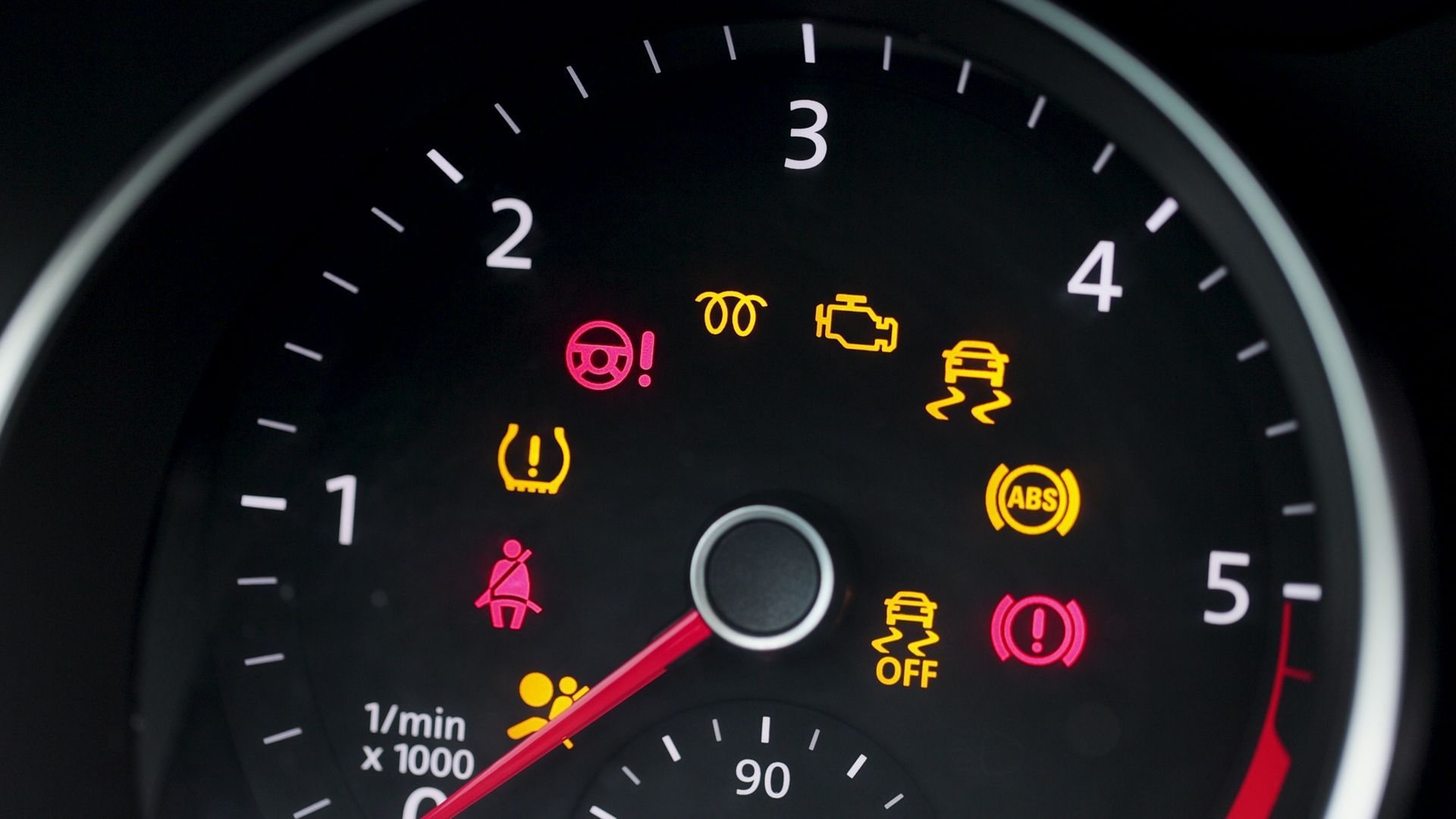
The brake warning lights should never be ignored. The red brake light may be an indication of low brake fluid, a loss of hydraulic pressure, or that the parking brake is applied. If the light should come on, make sure that the parking brake is released, then check the brake fluid. Low brake fluid may be an indication of a leak. The amber ABS light generally means that the vehicles computer detected a problem with the ABS system and is shutting it down. In most cases your normal brake function is still the same but the antilock feature has been disabled. Remember, when ever the red brake light comes on, you may have a serious problem and the vehicle may not be safe to drive.
When it is time to repair your brakes, keep in mind you usually have options for your repairs. You should always do a thorough brake job. Cheap brake jobs can lead to future brake failure, safety issues, and pure headaches leading to additional cost. You can perform “brake relines” or “brake overhauls”. There is an appropriate time for each option. In some cases a brake overhaul will be recommended as a PM (preventative maintenance) option, which means the overhaul is recommended to greatly reduce the potential for future brake problems. Overhauls return your braking, system very close to the effectiveness of the brakes you had when your vehicle was new. The overhaul will cost more but, in most cases, your brakes will last much longer and you’ll have the peace of mind of a longer warranty with a much lower chance of complications. When doing a brake reline, you could be reusing parts that are very close to failing but have no warning signs at that time.
Always make sure your repair shop gives you your options so you can make the best choice for yourself. It is always a good idea to have your technician show you your brakes and have them give a quick “show and tell” so you can clearly understand what’s being recommended.
Remember you get what you pay for.