

What Is Oil Sludge and How Does It Hurt My Car?
July 27, 2022
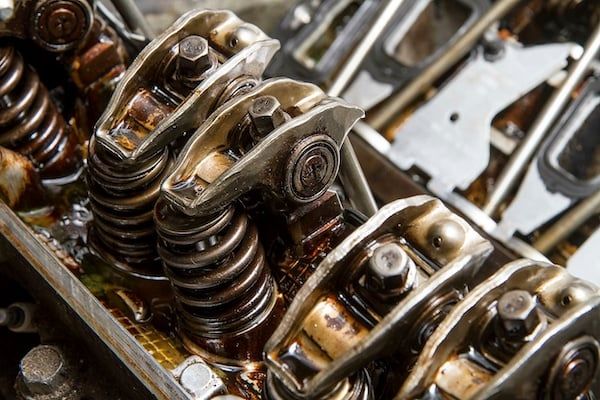
Oil lubricates your engine and protects it against frictional damage. It contains anti-foaming agents, anti-oxidants, dispersants, and detergents that protect the engine. However, with continued use, it forms an oil sludge. With time, contaminants such as dirt, dust, water, and coolant, build up and oxidize due to the engine's intense heat.
When these contaminants combine with oxidation in the engine, it forms a thick gel called engine or oil sludge. Preventing engine sludge formation is vital since it can damage your car.
How Oil Sludge Hurts Your Car
Oil protects the engine by cooling and absorbing contaminants. But, with time, it reaches its absorption capacity and deposits them on the engine instead. It hinders adequate engine lubrication and increases friction, causing overheating. The heat causes engine parts to rapidly wear out, lowering your car's efficiency.
It also reduces your engine's lifespan by blocking the oil screen siphon, preventing proper circulation and lubrication. Besides overheating, poor lubrication causes most engine parts to melt. This exposes your cooling system, timing belt, radiator, and gasket to severe damage with costly repairs. Engine sludge also weakens oil flow, causing a decrease in oil pressure and fuel efficiency.
How to Prevent Oil Sludge Formation
Oil is usually considered the lifeblood of your engine. Regular change is the single best practice to prevent oil sludge formation. But there are other ways to avoid a build-up.
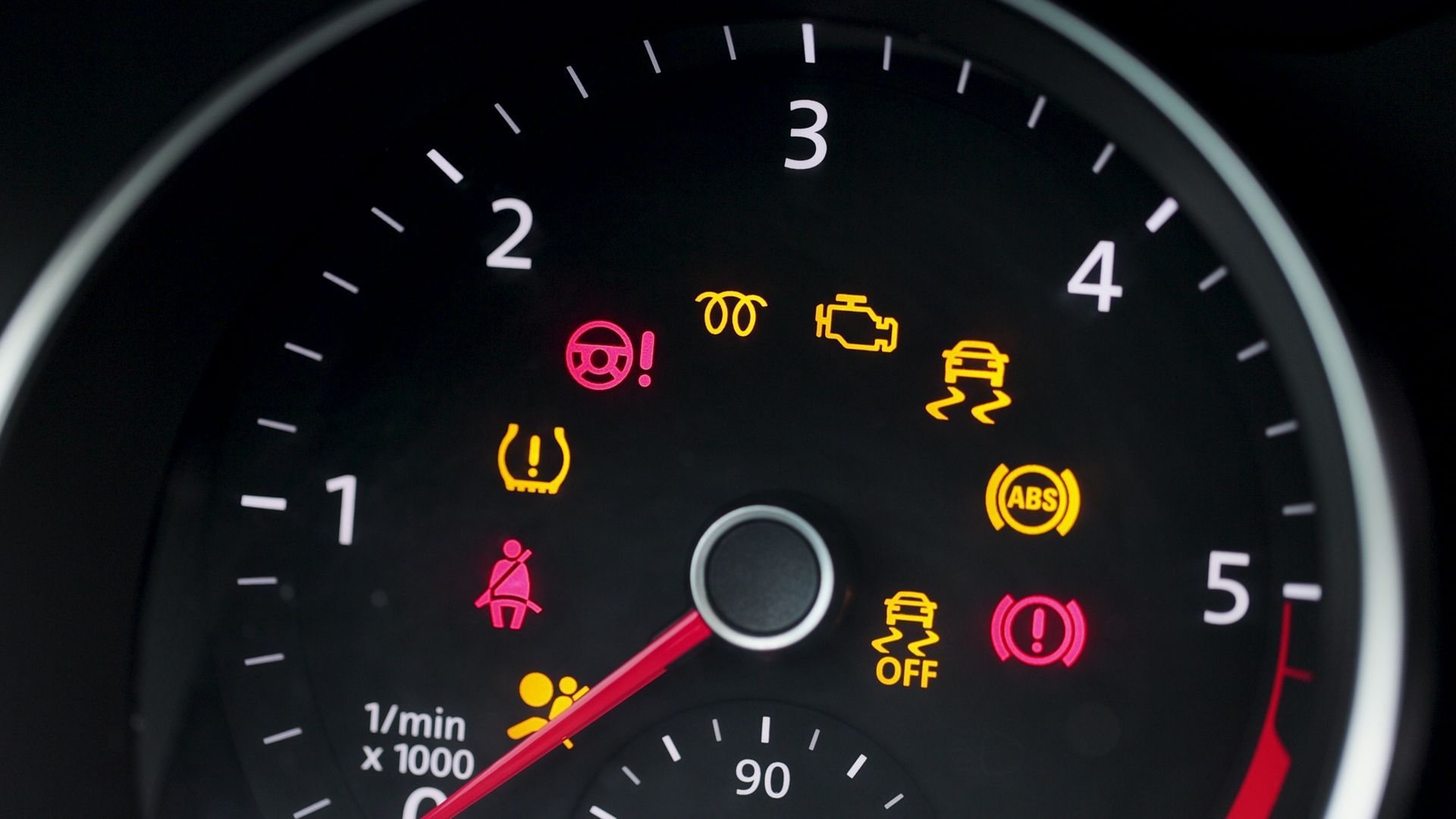
- Always check the engine or the oil change notification when you start your car. The lights may indicate a need for oil replacement.
- Try to avoid too many short-distance trips. Instead, walk, use a bike, or public means
- When you notice low oil pressure, before adding more, check for engine sludge build-up
- Always check the gauge that shows if your engine is heating up. If it indicates overheating, let an expert check for oil sludge
- Avoid routes with heavy stop-and-go traffic if possible
Your car is designed to warn when there is a problem. Check the dashboard warning lights regularly and for other signs of trouble. But if you are due for an oil change, bring your car to Lexbrodies today.