
Your Vehicle's Gas Can Become Stale

September 1, 2020
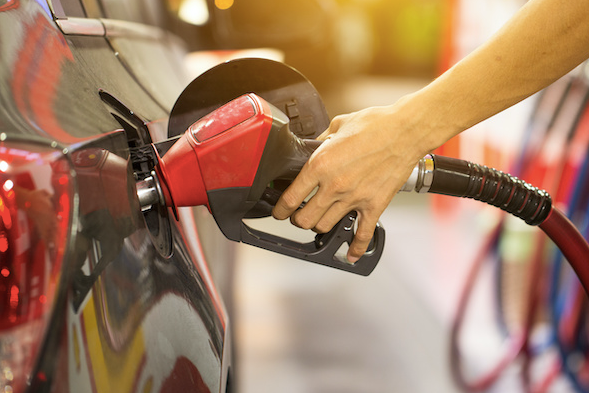
A person is pumping gas into a car at a gas station. | Lex Brodies

Many drivers are abandoning their vehicles for the safety of their homes. It’s safer to work from home, do grocery pick-up, and fill your recreational time with activities that allow you to stay 6 feet apart. According to Inrix.com, a major traffic analytics company based in Washington, road travel was down by 38% during March’s last week. Cars are sitting around, not being driven. If your vehicle isn’t being driven, the gas inside your fuel tank can become stale and start to degrade.

That leaves us wondering - why exactly does gas become stale? According to Greg Brannon, the Director of automotive engineering and industry relations for AAA, gasoline is a living chemical. Thus, with time, air, and condensation, it can break down and decompose. The lighter, volatile aspects of gas can evaporate, leaving the gas gummy in extreme cases. Gas can start to go bad after sitting for around three months. This gives room for alarm because if you were already a low mileage driver before the pandemic, that three-month time span might come quicker than expected if you aren’t regularly using your vehicle. 

Fuel breakdown is dangerous for your vehicle. If you have old gasoline in your fuel tank, it can decrease engine power. A decrease in engine power will lead to your vehicle stalling and hesitating. In the worst-case scenarios, your vehicle may not start altogether. The best ways to prevent this from occurring is to add fuel stabilizer and keep your fuel tank full. Keeping a full tank of gas prevents oxygen from getting inside. The less oxygen, the less likely the gasoline’s necessary volatile chemicals evaporate. Adding a Fuel stabilizer is a great way to prevent the gas from degrading over time as well. It doesn’t fix gas that’s already stale, but it can prevent the gas from deteriorating any further than it already has.

Why Ocean Air Can Age Your Car Faster Than Mileage Alone | LexBrodies
July 31, 2026
LexBrodies in Hawaii explains how ocean air can wear down vehicles faster than mileage alone.
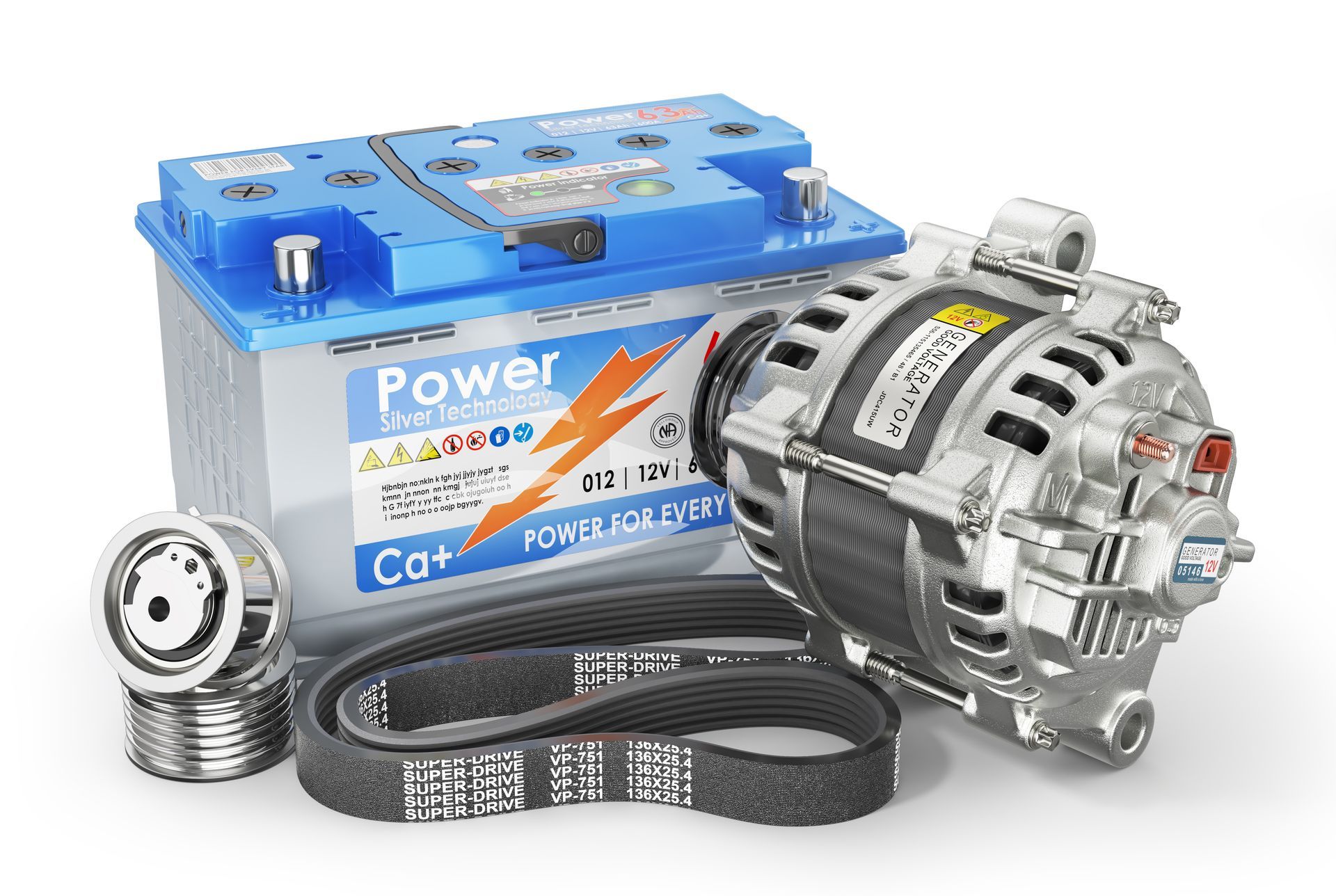
New Car Battery Or Bad Alternator? How To Tell What Your Car's Issue Is | LexBrodies
June 26, 2026
LexBrodies in Hawaii explains how to tell whether your car needs a new battery or alternator repair.
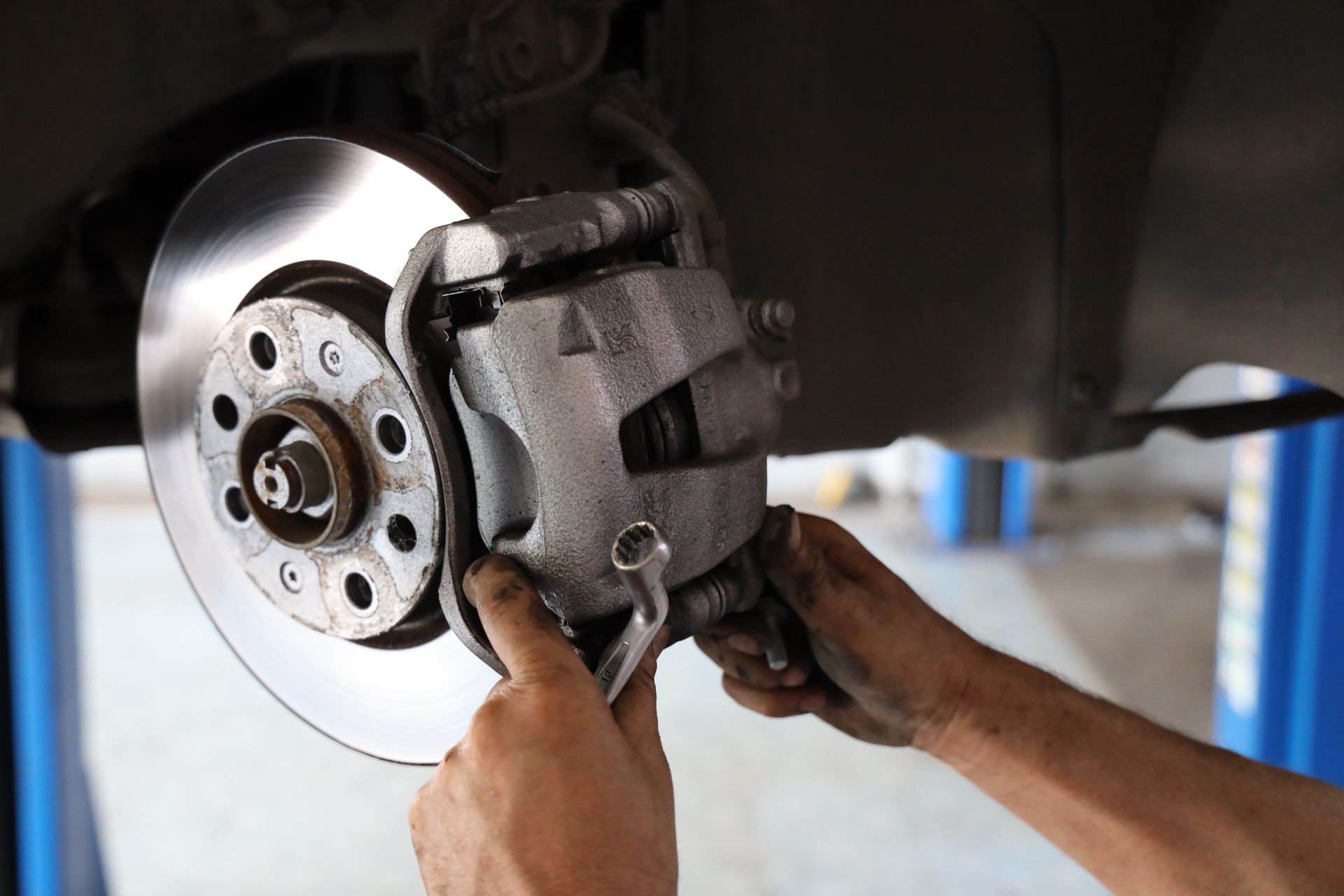
Brake Repair or Brake Service: How to Know What Your Car Needs | LexBrodies
May 29, 2026
LexBrodies in Hawaii explains how to tell whether your car needs brake service or a real brake repair.
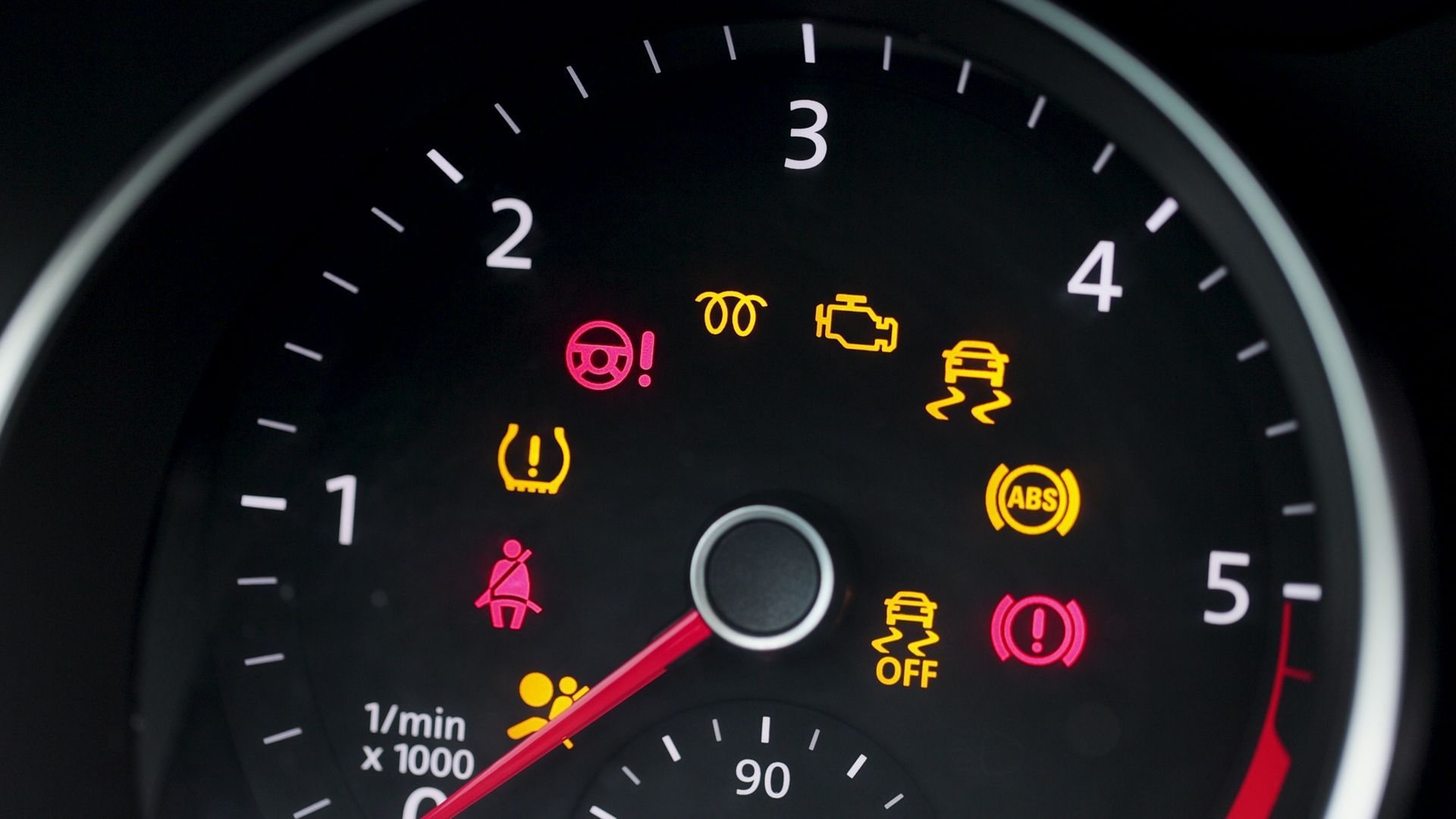
Why Are My ABS and Traction Control Lights On at the Same Time? | LexBrodies
April 30, 2026
LexBrodies in Hawaii explains why ABS and traction control lights can come on at the same time.
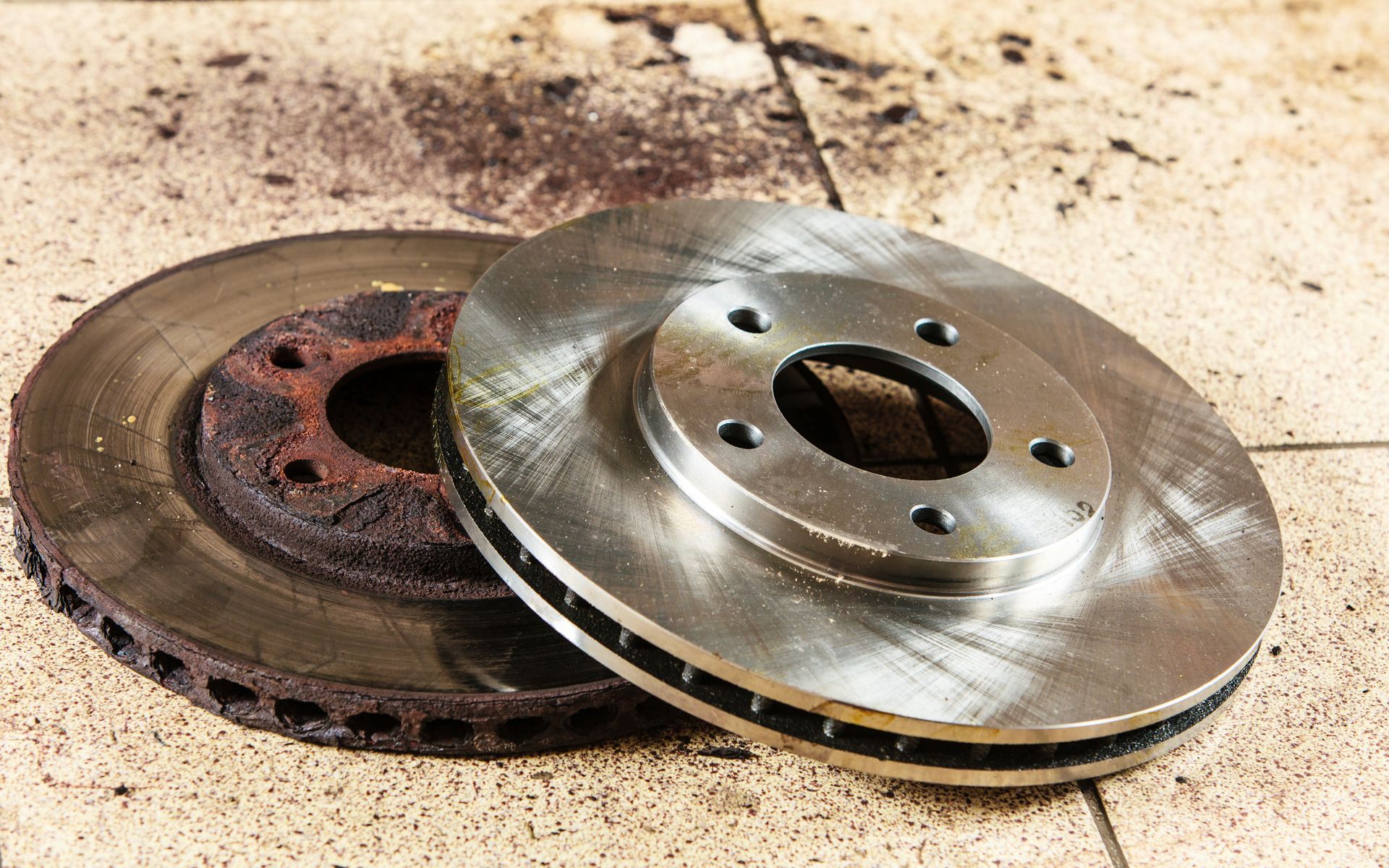
Is Rust On The Brake Rotors Dangerous? | LexBrodies
March 27, 2026
LexBrodies in Hawaii explains whether rusty brake rotors are dangerous, what’s normal, and when rust signals a real brake issue.
What Causes A New Tire To Lose Air Slowly? | LexBrodies
February 27, 2026
LexBrodies in Hawaii helps you find why a new tire is losing air slowly, from bead leaks to valve stems and tiny punctures.
5 Signs Your Tires Aren’t Safe for Wet Roads | LexBrodies
January 30, 2026
LexBrodies in Hawaii explains five signs that your tires are not safe for wet roads and why early replacement matters for traction.
What to Do When Your Steering Wheel Vibrates at Highway Speed | LexBrodies
December 19, 2025
LexBrodies in Hawaii explains what to do when your steering wheel vibrates at highway speeds and how to pinpoint the cause.
How a Dirty Cabin Air Filter Affects The A/C And Air Quality Inside Your Car | LexBrodies
November 28, 2025
LexBrodies in Hawaii explains how a dirty cabin air filter can reduce A/C performance and compromise the air you breathe inside your vehicle.
How to Identify a Bad Wheel Bearing Before It Seizes Up | LexBrodies
October 31, 2025
LexBrodies in Hawaii explains the signs of a failing wheel bearing so drivers can recognize the issue before it locks up completely.