
How to Extend the Life of Your Brakes

July 13, 2021
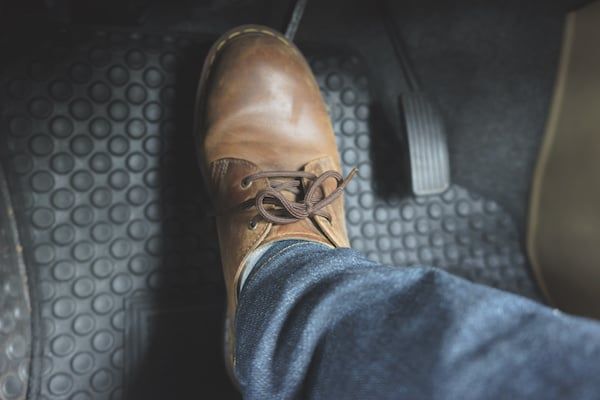
A person is pressing the brake pedal of a car. | Lex Brodies

Your vehicle's braking system is the most important safety feature of your car, which is why you should always replace them on time. Your brake pads will last about every 50,000 miles, but they can vary depending on driving conditions and usage. Here are our top tips on how to prolong the life of your brake pads.


Avoid Speeding

Surprise-surprise, but speeding never ends well for anybody. If you hit a full and complete stop after ramping up your RPM, you are at risk of prematurely wearing out your brake pads. Brake pads operate by converting energy into heat – and this means they become worn out more quickly the more energy they have to dissipate. If you slow down slowly, you can save wear and tear on your brake pads. Another negative of hurrying into a stop is that you're wasting excess gas.


Only Use 1 Foot 

As you probably learned all the way back from Driver's Ed, you should only have one foot operating both the brake and acceleration pedals. "Two-footing" your pedals is an awful habit to get into because brake taps are more likely to happen. 


Lighten the Load

If you tend to keep a lot of junk in your car, all those items can collectively weigh a lot. Carrying heavy loads will lead to a heavy strain on your brake pads. At your convenience, lighten the load by getting rid of trash and unnecessary items in your car.


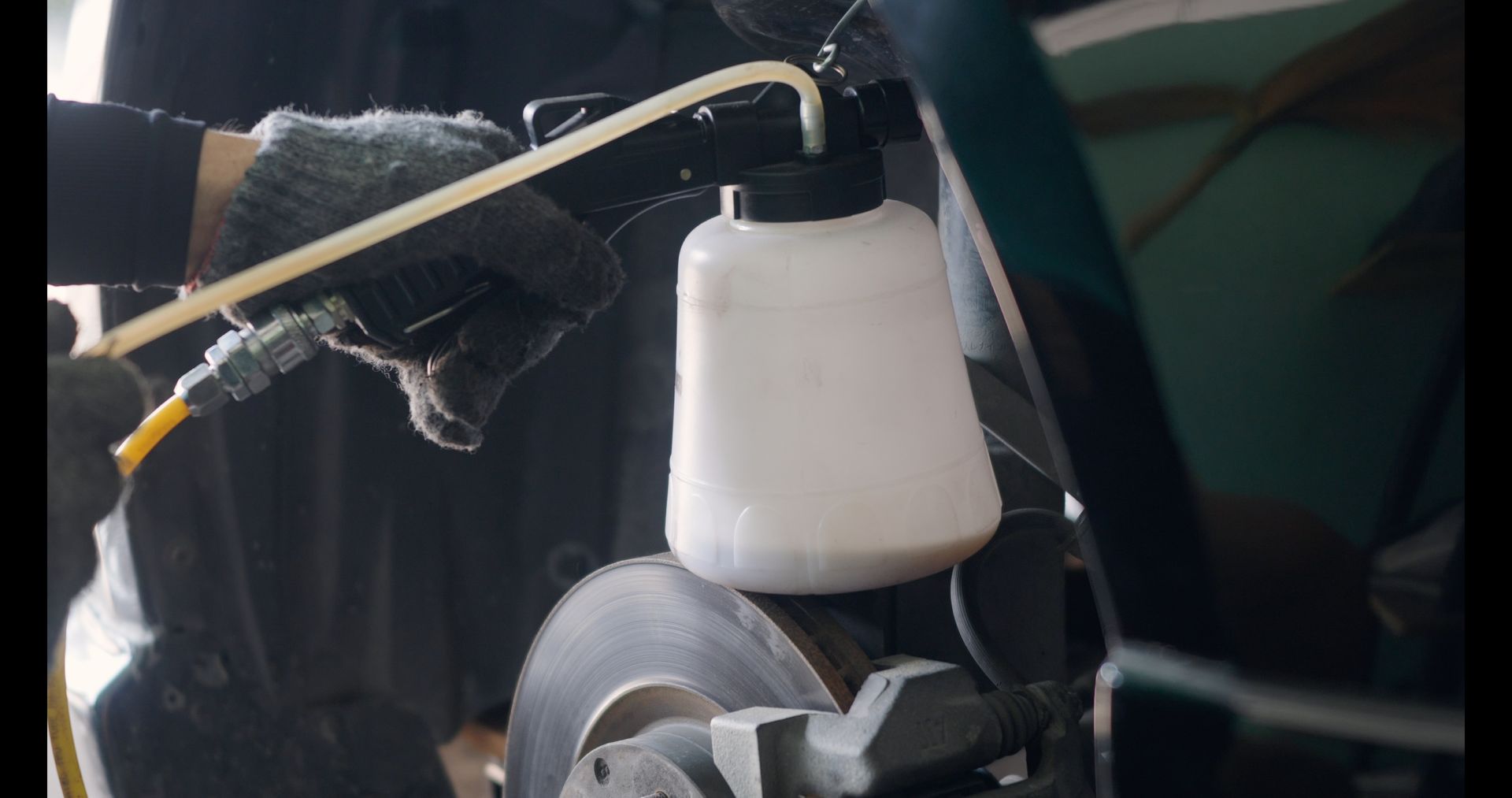
Flush Your Brakes

It is recommended that your brake should be bled and flushed every two years. Doing so will help your brakes work more effectively and keep their internal parts running longer. Over time, moisture can also cause internal corrosion, reducing the lifespan of brake parts like rubber seals.


Brake Service in Hawaii

We hope these tips help you save some time and money on brake maintenance. If you require a brake pad replacement, then our trusted mechanics at LexBrodies can do the job. We have been operating in Hawaii for 60 years! Give us a call or visit one of our 5 locations today.
Why Ocean Air Can Age Your Car Faster Than Mileage Alone | LexBrodies
July 31, 2026
LexBrodies in Hawaii explains how ocean air can wear down vehicles faster than mileage alone.
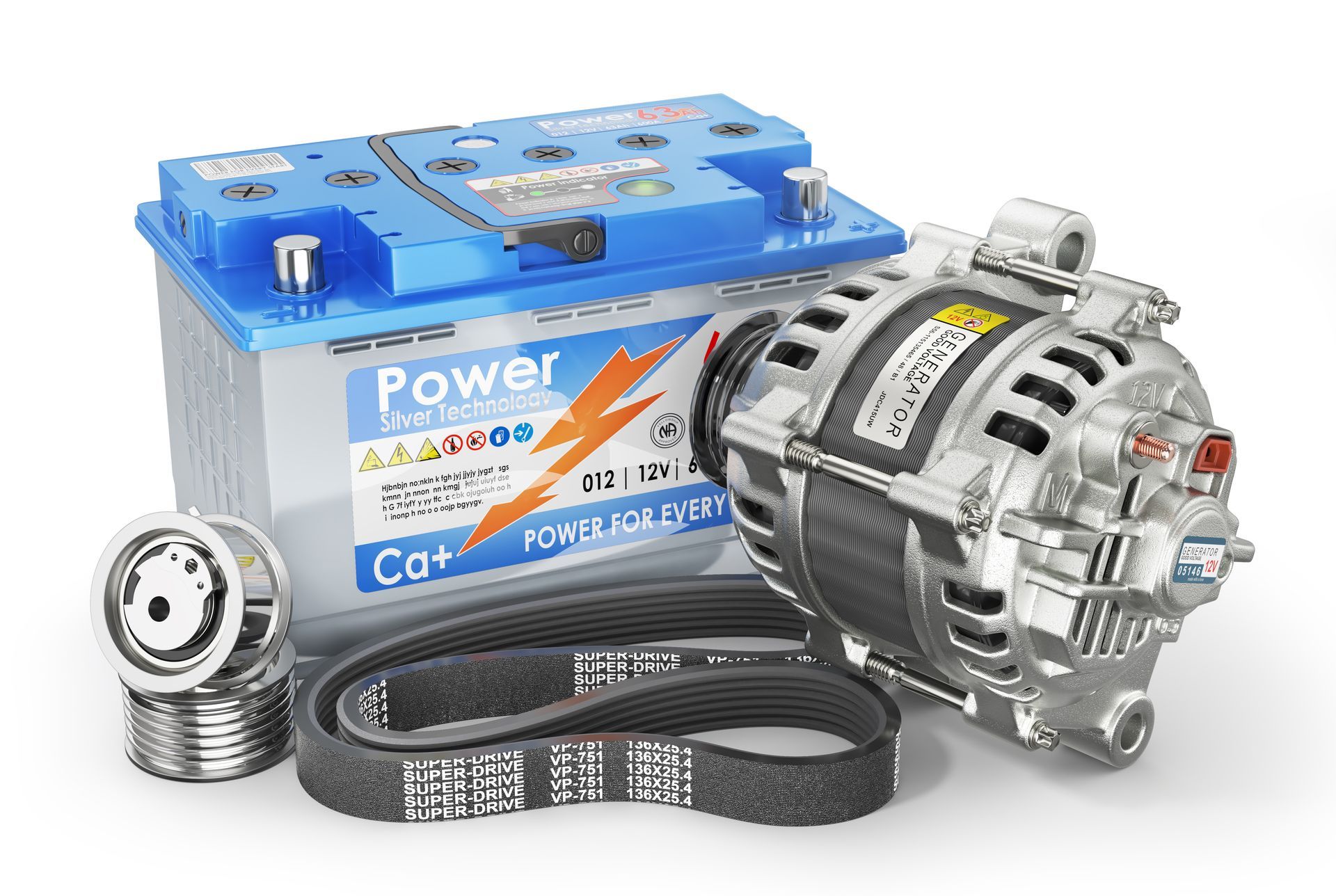
New Car Battery Or Bad Alternator? How To Tell What Your Car's Issue Is | LexBrodies
June 26, 2026
LexBrodies in Hawaii explains how to tell whether your car needs a new battery or alternator repair.
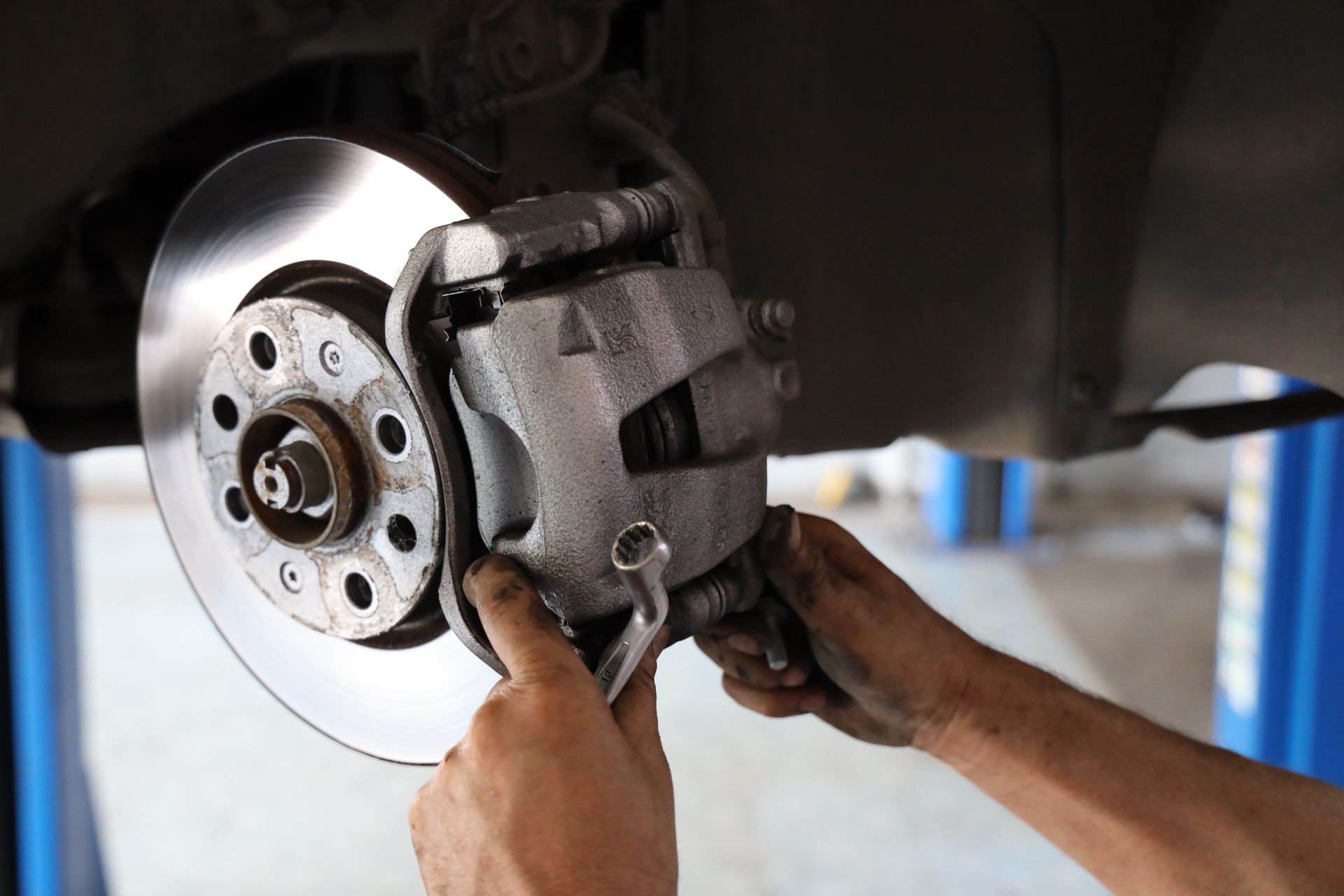
Brake Repair or Brake Service: How to Know What Your Car Needs | LexBrodies
May 29, 2026
LexBrodies in Hawaii explains how to tell whether your car needs brake service or a real brake repair.
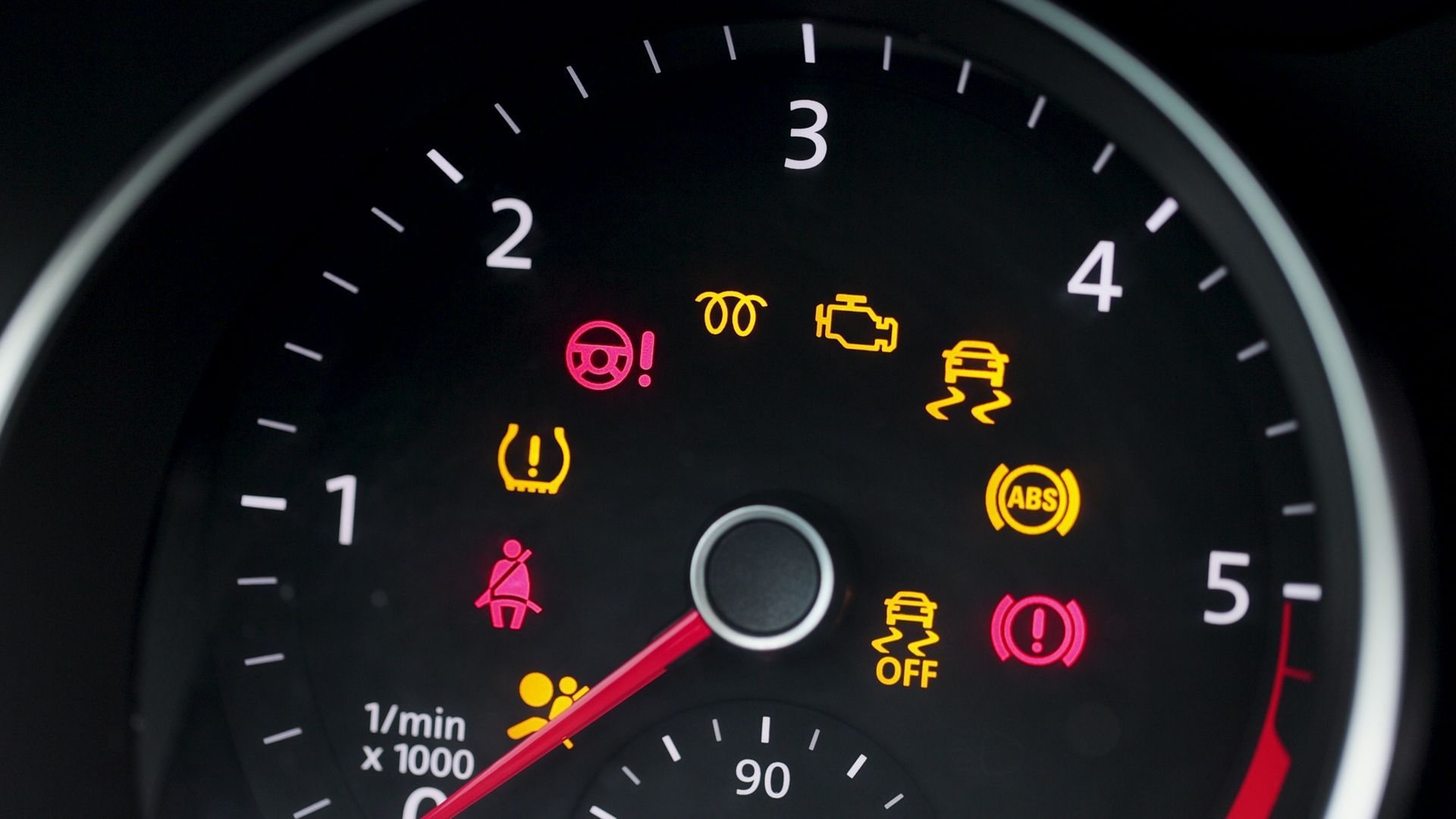
Why Are My ABS and Traction Control Lights On at the Same Time? | LexBrodies
April 30, 2026
LexBrodies in Hawaii explains why ABS and traction control lights can come on at the same time.
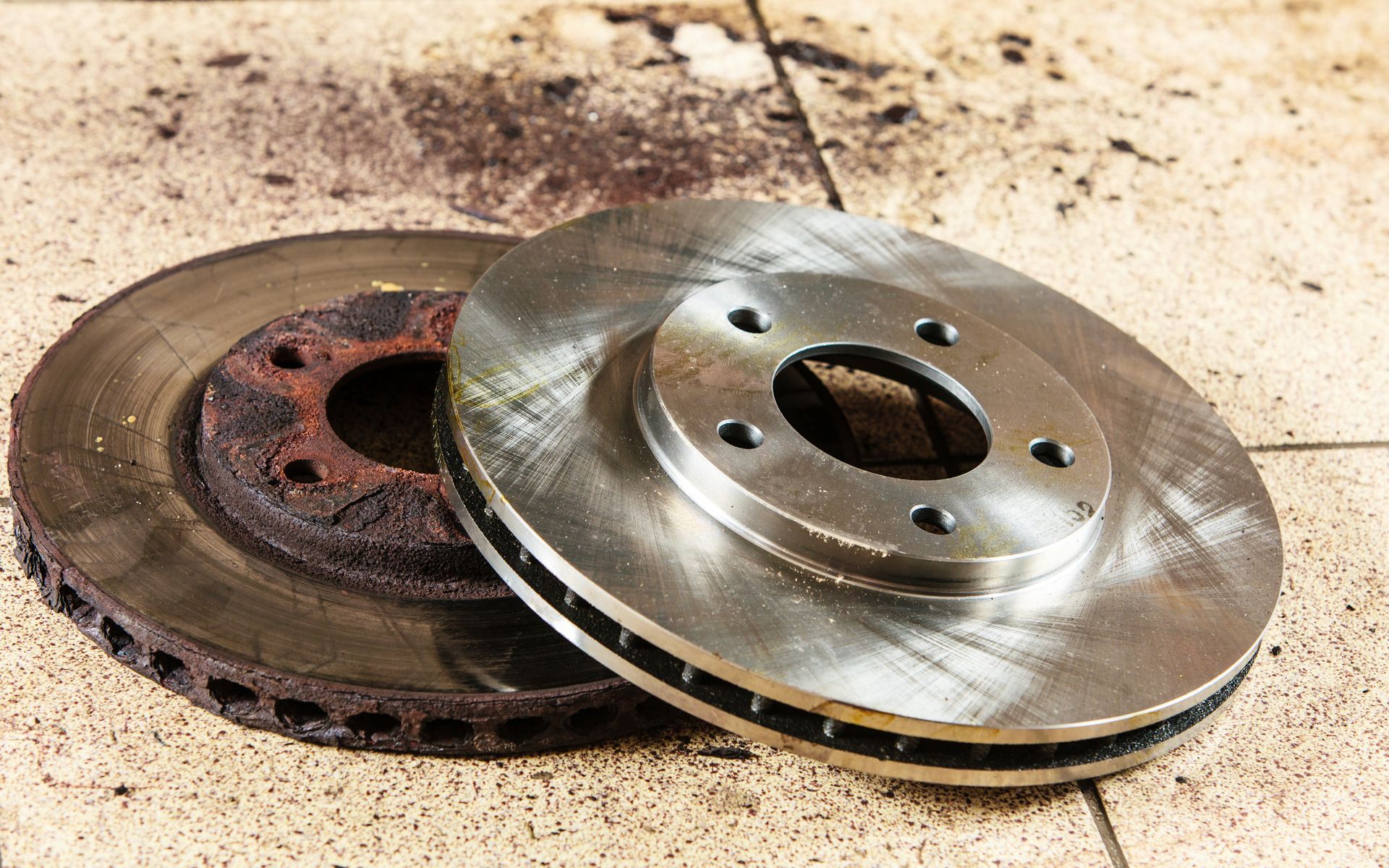
Is Rust On The Brake Rotors Dangerous? | LexBrodies
March 27, 2026
LexBrodies in Hawaii explains whether rusty brake rotors are dangerous, what’s normal, and when rust signals a real brake issue.
What Causes A New Tire To Lose Air Slowly? | LexBrodies
February 27, 2026
LexBrodies in Hawaii helps you find why a new tire is losing air slowly, from bead leaks to valve stems and tiny punctures.
5 Signs Your Tires Aren’t Safe for Wet Roads | LexBrodies
January 30, 2026
LexBrodies in Hawaii explains five signs that your tires are not safe for wet roads and why early replacement matters for traction.
What to Do When Your Steering Wheel Vibrates at Highway Speed | LexBrodies
December 19, 2025
LexBrodies in Hawaii explains what to do when your steering wheel vibrates at highway speeds and how to pinpoint the cause.
How a Dirty Cabin Air Filter Affects The A/C And Air Quality Inside Your Car | LexBrodies
November 28, 2025
LexBrodies in Hawaii explains how a dirty cabin air filter can reduce A/C performance and compromise the air you breathe inside your vehicle.
How to Identify a Bad Wheel Bearing Before It Seizes Up | LexBrodies
October 31, 2025
LexBrodies in Hawaii explains the signs of a failing wheel bearing so drivers can recognize the issue before it locks up completely.