
Why Are My ABS and Traction Control Lights On at the Same Time?

April 30, 2026

Seeing the ABS light and traction control light come on together can make it feel like the car suddenly developed two separate problems at once. In many cases, the situation is more connected than that. Those systems work closely together, and both depend on the same wheel-speed and braking information to do their job.


That shared design is why one fault can trigger both warnings. The car may still drive fairly normally at first, which is exactly what makes drivers put it off longer than they should.


How ABS And Traction Control Work Together


ABS helps keep the wheels from locking during hard braking. Traction control helps reduce wheelspin when one tire loses grip during acceleration. Both systems rely on sensors at the wheels and steady communication with the brake and stability systems.


Once one part of that chain stops giving accurate information, the car may disable or limit both features. Regular braking may still feel normal, but the extra support those systems provide in the rain, on loose gravel, or during sudden stops may no longer be there.


The Most Common Cause Is A Wheel Speed Sensor Issue


One of the most common reasons both lights come on at the same time is a faulty wheel speed sensor. Each wheel has a sensor that tracks its rotation speed. If one sensor gives a weak reading, an erratic signal, or no signal at all, the system can no longer trust the data it needs.


The sensor itself is not always the only thing to blame. Wiring damage, corrosion, road debris, or buildup around the sensor area can cause the same problem. A proper inspection helps separate a bad sensor from the conditions around it.


Brake System Problems Can Trigger Both Lights Too


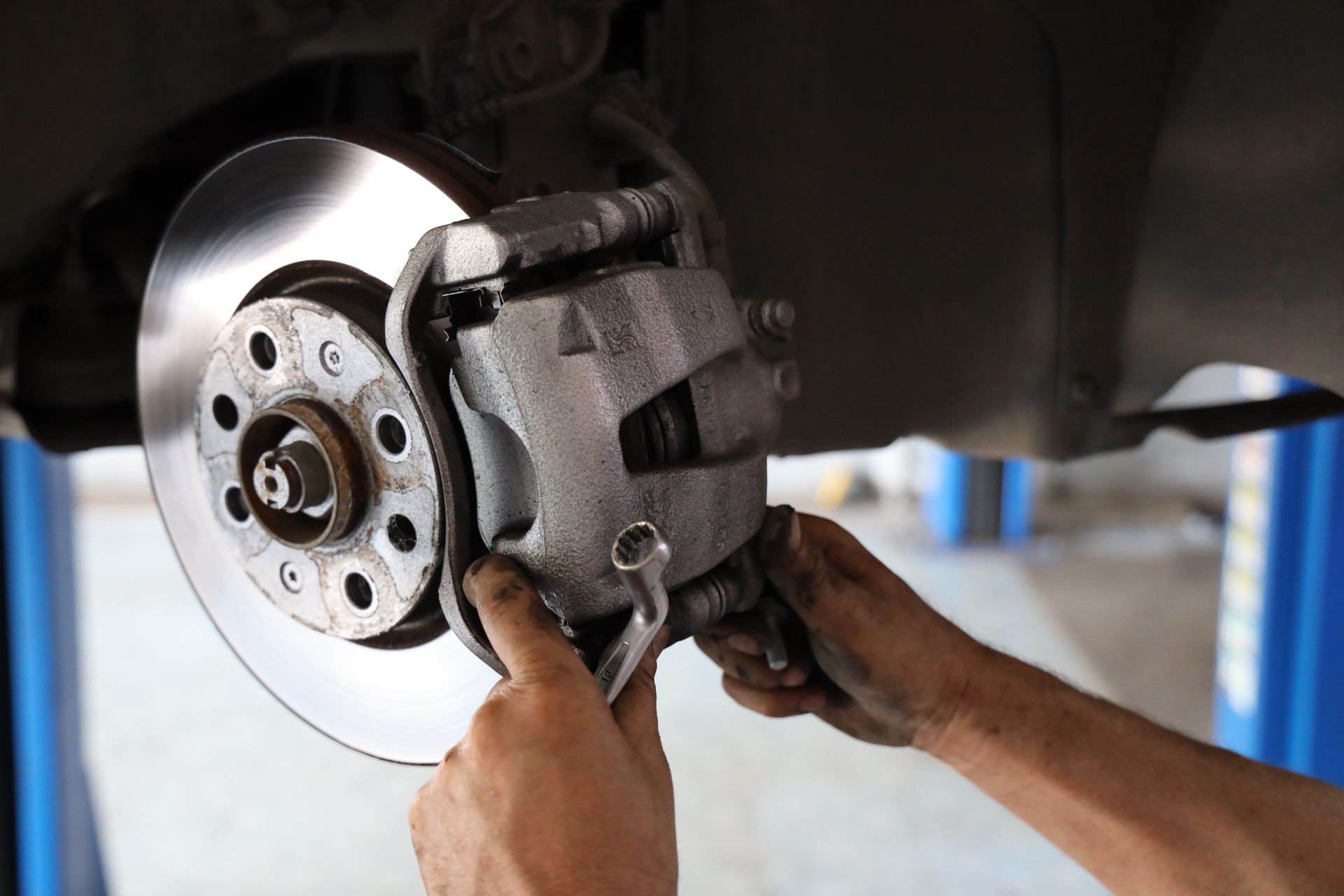
Low brake fluid, uneven hydraulic pressure, or a problem inside the ABS hydraulic unit can also turn on both lights. That is one reason these warnings should not be treated like simple electrical annoyances. A brake-related issue may be part of the picture, even if the pedal still feels acceptable during normal driving.


In some vehicles, worn brake components can also play a role if the system starts seeing behavior outside its normal range. The car is basically telling you that one part of its braking or stability network is no longer giving it the confidence to keep everything active.


Why The Car Can Still Feel Fine At First


A lot of drivers keep going because the vehicle still stops and turns well enough around town. That is common. The standard brakes still work in many ABS-related faults, so the problem can feel less serious than the dashboard makes it seem.


The difference shows up when road conditions get worse or the stop gets harder. Wet pavement, sudden braking, loose surfaces, and emergency lane changes are where ABS and traction control earn their keep. Losing that extra control may not feel dramatic during an easy commute, but it can make a real difference when grip disappears fast.


Wheel Bearing And Front-End Wear Can Add To The Problem


A worn wheel bearing, damaged tone ring, or loose front-end component can sometimes interfere with sensor readings, too. In that kind of situation, replacing the sensor alone will not solve the problem, because the sensor is responding to a mechanical issue nearby.


That is why these warning lights deserve a more thorough inspection rather than a quick parts guess. If the wheel-end hardware has excessive play or damage, the system may continue to report the wheel speed incorrectly, no matter how many times the code is cleared.


When You Should Stop Waiting And Get It Checked


If both lights are on and the car feels different under braking, pulls during stops, or shows a red brake warning, that should move to the top of the list. A clear change in braking feel is not something to push into next week. Even without those extra symptoms, both warnings together still mean the car has lost part of the safety backup it was designed to have.


That is where regular maintenance helps: brake fluid checks, wheel-end inspections, and early attention to smaller front-end problems can sometimes catch the issue before both systems shut down. Once the lights are on, diagnostics and a focused inspection are the better path.


What A Proper Inspection Should Include


A good check for this problem should include stored fault codes, live wheel-speed readings, brake fluid level, wiring condition, and the condition of the wheel-end parts. The goal is not only to turn off the lights. The goal is to determine why the systems stopped trusting the information they were receiving.


That kind of inspection keeps the repair more accurate and usually less frustrating. A minor sensor issue can cause a warning like this, but it can also be the first visible sign of a larger brake or wheel-end problem that should be addressed before it gets worse.


Get Brake And Stability System Service In Hawaii, With LexBrodies


If your ABS and traction control lights are on at the same time, LexBrodies can perform an inspection and diagnostic testing to determine whether the problem is caused by a wheel speed sensor, a brake system issue, a wiring fault, or a worn wheel-end component.


Visit one of our Hawaii locations before the warning becomes a more serious safety concern and leaves you without the control those systems are supposed to provide.


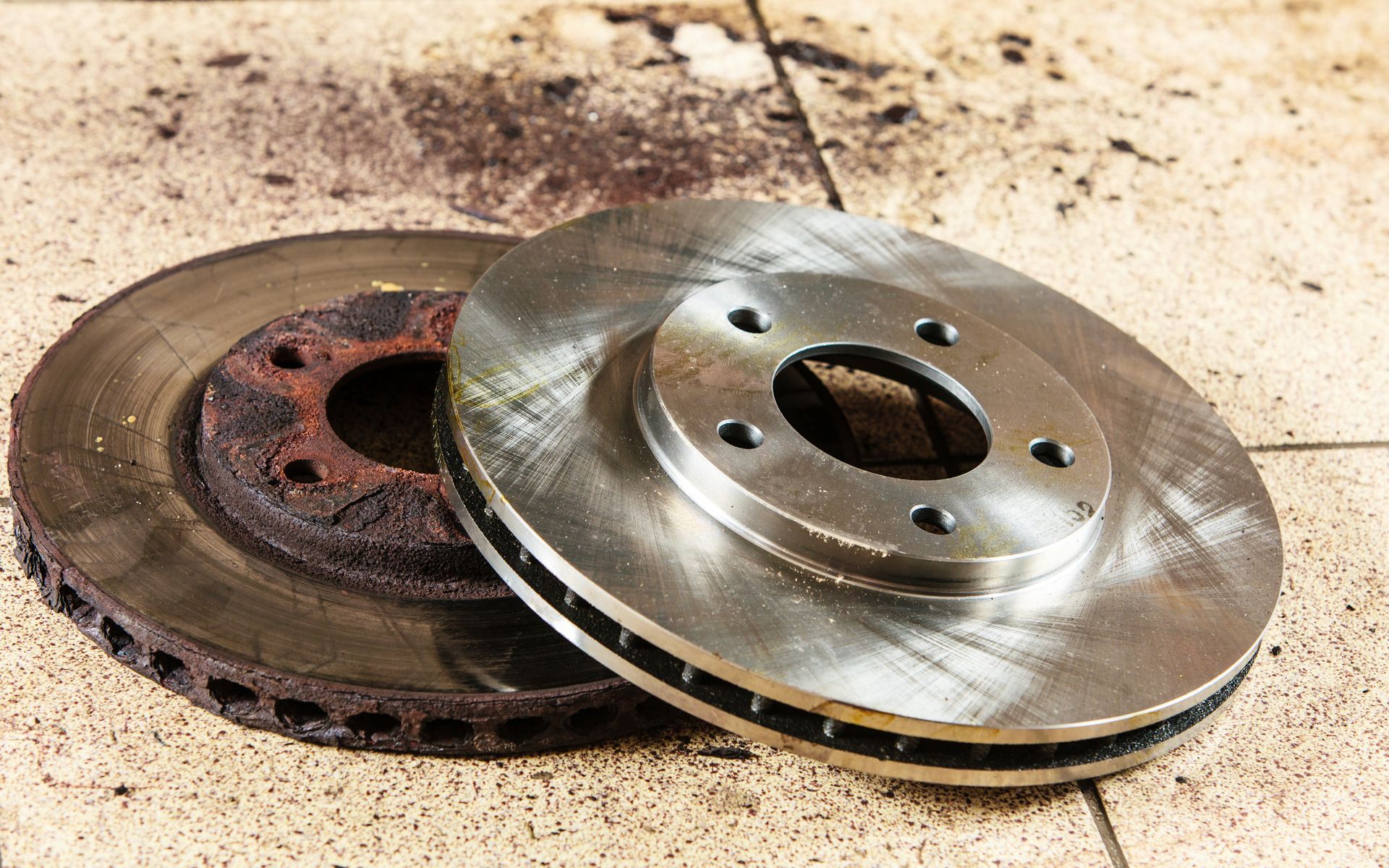
Is Rust On The Brake Rotors Dangerous? | LexBrodies
March 27, 2026
LexBrodies in Hawaii explains whether rusty brake rotors are dangerous, what’s normal, and when rust signals a real brake issue.
What Causes A New Tire To Lose Air Slowly? | LexBrodies
February 27, 2026
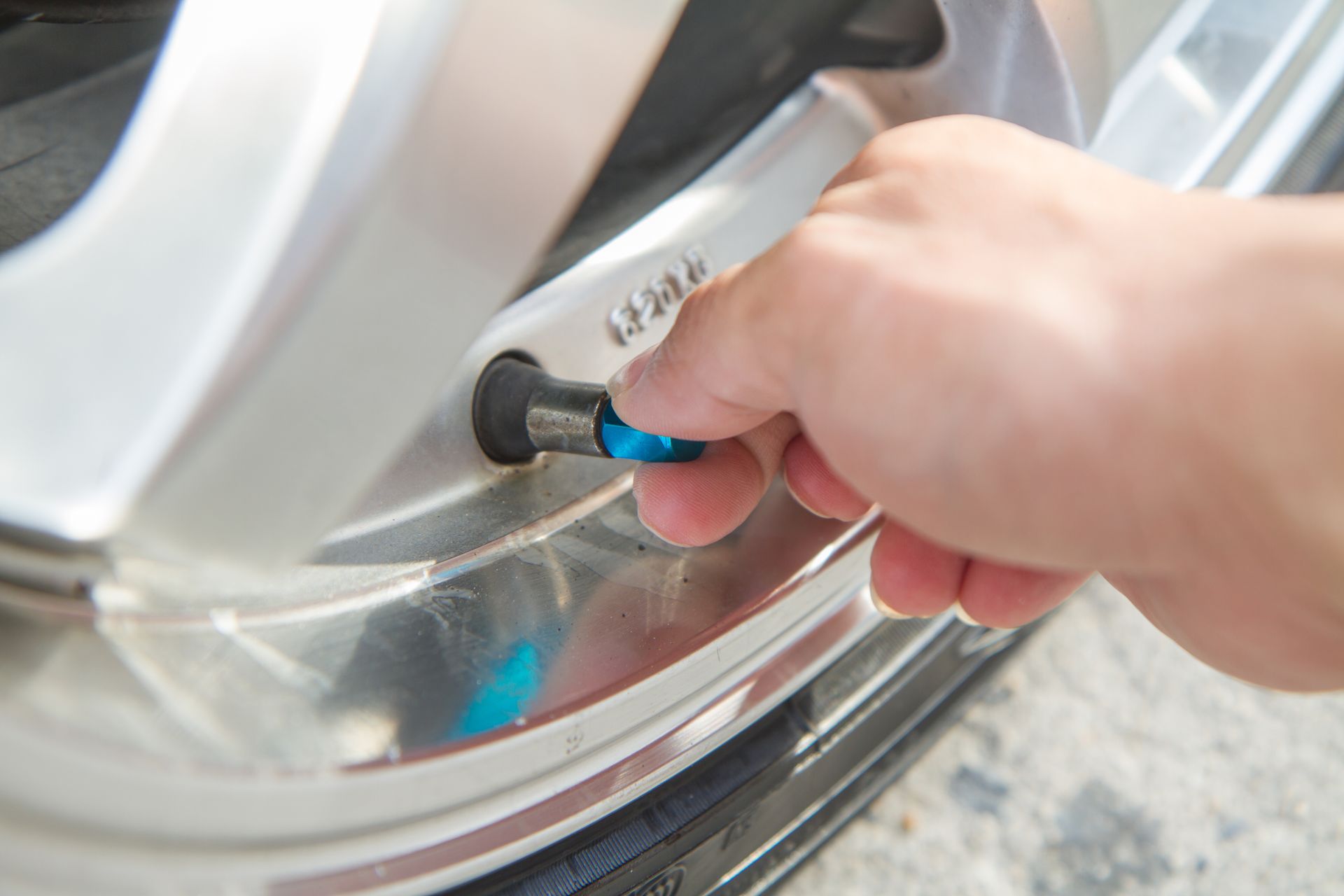
LexBrodies in Hawaii helps you find why a new tire is losing air slowly, from bead leaks to valve stems and tiny punctures.
5 Signs Your Tires Aren’t Safe for Wet Roads | LexBrodies
January 30, 2026
LexBrodies in Hawaii explains five signs that your tires are not safe for wet roads and why early replacement matters for traction.
What to Do When Your Steering Wheel Vibrates at Highway Speed | LexBrodies
December 19, 2025
LexBrodies in Hawaii explains what to do when your steering wheel vibrates at highway speeds and how to pinpoint the cause.
How a Dirty Cabin Air Filter Affects The A/C And Air Quality Inside Your Car | LexBrodies
November 28, 2025
LexBrodies in Hawaii explains how a dirty cabin air filter can reduce A/C performance and compromise the air you breathe inside your vehicle.
How to Identify a Bad Wheel Bearing Before It Seizes Up | LexBrodies
October 31, 2025
LexBrodies in Hawaii explains the signs of a failing wheel bearing so drivers can recognize the issue before it locks up completely.
How to Stay Calm Behind the Wheel During Honolulu’s Rush Hour | LexBrodies
September 26, 2025
Driving in Honolulu can be stressful, especially during peak traffic hours when the roads are packed and patience wears thin. Between merging lanes, unpredictable drivers, and endless stop-and-go movement, it’s easy to feel frustrated. But staying calm behind the wheel isn’t just better for your mood, but also makes you a safer, more focused driver. With the right mindset and a few practical strategies, you can navigate rush hour with less stress and more confidence. Plan Your Route Ahead of Time Before heading out, take a few minutes to check traffic conditions and plan your route. Apps and GPS systems can help you avoid heavy congestion or accidents, giving you alternative paths that save time and reduce frustration. In Honolulu, where traffic patterns can shift quickly, knowing your options makes a big difference. Even if you can’t avoid delays entirely, being prepared helps you stay in control rather than feeling stuck in the chaos. Give Yourself Extra Time One of the biggest sources of driving stress is running late. If you know you’ll be on the road during peak hours, leave earlier than usual. Building in extra time reduces the pressure to rush, making it easier to drive defensively and stay calm. When you’re not constantly watching the clock, you’ll find it easier to let small delays roll off your shoulders. Manage Your Space on the Road Heavy traffic can make it tempting to drive closely behind the car in front of you, but tailgating only increases frustration and risk. Maintaining a safe following distance gives you more time to react if someone brakes suddenly. Staying aware of your surroundings and keeping an open space around your vehicle also helps you avoid unnecessary lane changes or sudden maneuvers, which are common sources of stress during rush hour. Use Your In-Car Environment to Your Advantage Your driving environment plays a big role in your stress levels. Small changes inside your vehicle can make a noticeable difference: Set the temperature to a comfortable level Play relaxing music or a favorite podcast Keep your phone out of sight to avoid distractions These adjustments create a calmer atmosphere and help you focus on the road instead of the frustration around you. Practice Patience With Other Drivers In dense traffic, you’ll often encounter sudden lane changes, slow merges, or distracted drivers. While it’s tempting to react, staying patient keeps you safer and less stressed. Remember that everyone is trying to get somewhere, just like you. Avoid unnecessary honking and aggressive driving, because it only raises tension and doesn’t get you there any faster. Know When to Take a Break If traffic is crawling and you feel your stress levels climbing, it can help to take a short break. Pulling into a safe spot, stepping out for fresh air, or grabbing a quick coffee can reset your mood and keep frustration from building. Driving while tense or irritated affects focus and reaction time, so even a five-minute pause can make a big difference in your safety and comfort. Keep Your Vehicle in Top Shape Unreliable brakes, weak air conditioning, or mechanical issues can make an already stressful commute even worse. Routine maintenance ensures your vehicle responds smoothly in heavy traffic, keeping you confident behind the wheel. From tire inspections to brake checks , staying on top of basic services helps prevent surprises on the road. When you know your car is in good shape, it’s one less thing to worry about during Honolulu’s busiest hours. Stay Relaxed With Help From LexBrodies in Hawaii At LexBrodies in Hawaii, we know how demanding driving in Honolulu’s traffic can be. Keeping your vehicle well-maintained is one of the best ways to reduce stress and stay safe, no matter how congested the roads get. From inspections and tune-ups to brake and tire services , our team makes sure your car is ready for whatever rush hour throws your way. Schedule your service today in one of our 4 locations across the island and drive through Honolulu with confidence. 701 Queen Street Honolulu, HI 98-115 Kamehameha Highway Aiea, HI 94-169 Farrington Highway Waipahu, HI 46-158 Malina Place Kaneohe, HI
Can a Repair Shop’s Rewards Program Really Save You Money on Car Maintenance? | LexBrodies
August 29, 2025
LexBrodies in Hawaii shares how joining their rewards program can save you money and extend the life of your vehicle.
What’s the Difference Between a Basic and Full Synthetic Oil Change? | LexBrodies
July 25, 2025
LexBrodies, with 4 locations in Hawaii, breaks down the differences between basic and full synthetic oil changes to help you make the best choice.
What Is the Fixed Forever Brake Repair at Lex Brodie’s? | LexBrodies
July 13, 2025
LexBrodie’s in Hawaii shares details about their Fixed Forever Brake Repair and how it helps you save on long-term brake service.