

New Car Battery Or Bad Alternator? How To Tell What Your Car's Issue Is
June 26, 2026
A car that will not start can make the problem feel obvious at first. The battery gets blamed because it is the part most drivers think of when the engine cranks slowly or doesn't crank at all. Sometimes that is correct. Other times, the real issue is the alternator, charging system, cables, or another part that keeps the battery from staying charged.
That is why a new battery does not always fix a no-start problem. The battery and alternator work together, and when one side falls behind, the symptoms can overlap. Knowing the difference can help you avoid replacing the wrong part and getting stuck again a few days later.
What The Battery Does
The battery’s main job is to store power and deliver a strong burst of energy when you start the vehicle. It also supports the electrical system when the engine is off. Lights, locks, security systems, memory settings, and other electronics all rely on the battery when the car is parked.
A weak battery can cause slow cranking, clicking, dim interior lights, or a car that will not start after sitting. It can also create strange warning lights because modern vehicles need a stable voltage. If the battery is old, swollen, leaking, or failing a load test, replacement may be the right repair.
What The Alternator Does
The alternator takes over once the engine is running. It powers the electrical system and recharges the battery while you drive. If the alternator is weak, the battery may start the car, but it will not get properly recharged afterward.
That is where drivers get confused. The battery goes dead, so the battery seems like the whole problem. Then a new battery works for a little while, only to go dead too. If the alternator is not charging correctly, it can drain every battery you install.
Signs You May Have A Bad Battery
Battery problems tend to show up most clearly during startup. The engine may crank slowly, especially after the car sits overnight. You may hear a clicking sound when turning the key or pressing the start button. Interior lights may look weak before the engine starts.
Battery age is another clue. Many batteries last 3 to 5 years, but heat, short trips, and repeated deep discharges can shorten that lifespan. In Hawaii’s warm climate, battery wear can sneak up quickly because heat speeds up internal breakdown. If the battery is older and testing shows low reserve capacity, replacement makes sense.
Signs The Alternator May Be Failing
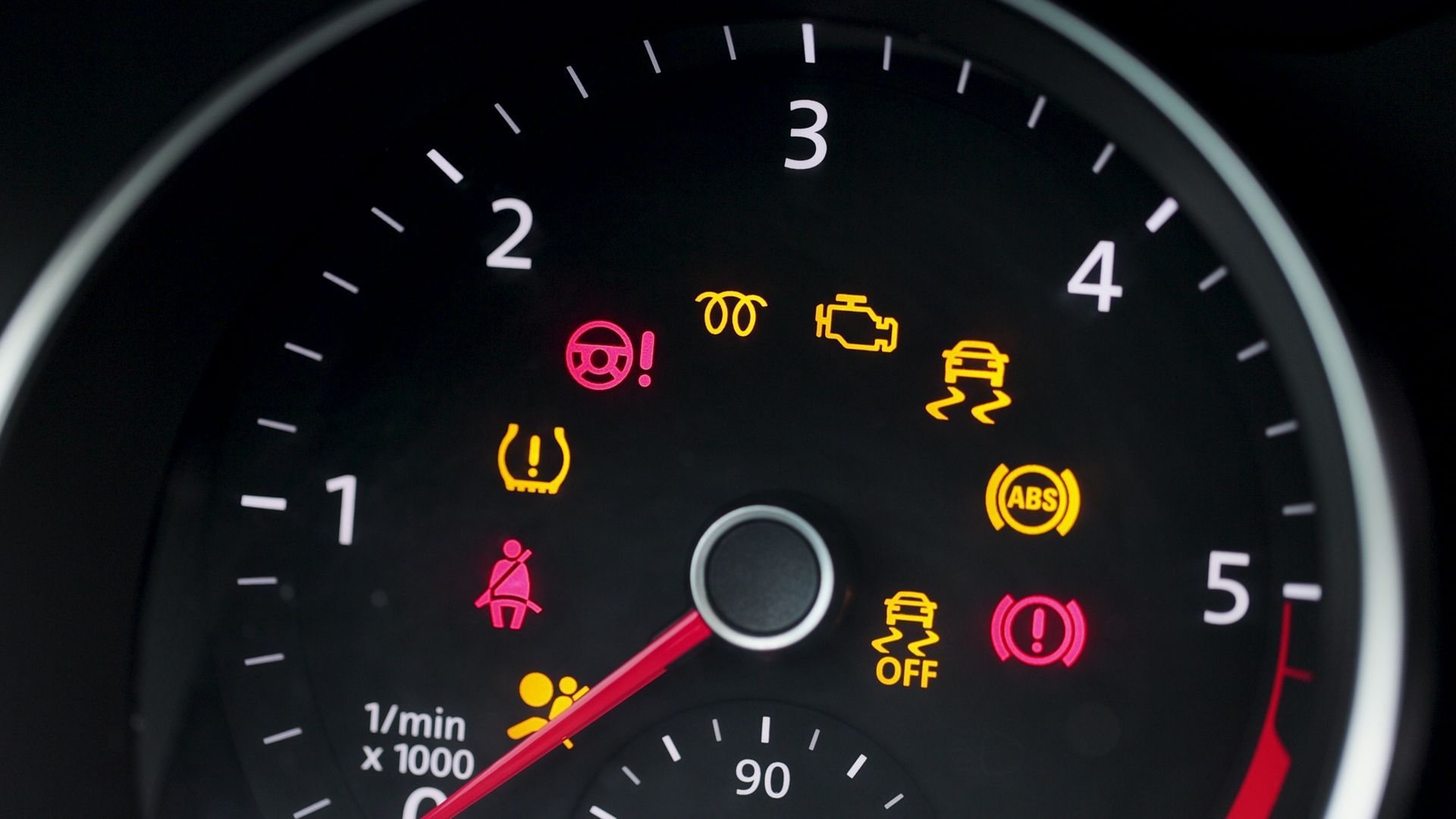
Alternator problems tend to show up while the vehicle is running. You may see the battery warning light on the dashboard, dim headlights, flickering interior lights, slow power windows, or electronics that reset while driving. The car may start once, then stall later because the battery reserve is being used up.
A failing alternator can also cause noise if a bearing is wearing out or the belt drive is malfunctioning. If the vehicle needs repeated jump starts even after the battery was replaced, the charging system needs an inspection. A battery cannot stay healthy if the alternator is not doing its job.
Cables And Connections Can Cause Similar Symptoms
The battery and alternator are not the only suspects. Corroded terminals, loose battery cables, damaged grounds, or weak connections can block power flow. That can make a good battery act weak or make the charging system look inconsistent.
Corrosion around the terminals is especially common in warm, humid areas. It can create resistance between the battery and the rest of the vehicle. Cleaning terminals may help in some cases, but damaged cables, worn clamps, or poor grounds need proper repair. A quick visual check is helpful, but testing voltage drop gives a clearer answer.
Why Testing Beats Replacing Parts
A no-start problem should not be solved by swapping parts until something works. Battery testing, alternator output testing, cable checks, and starter draw testing all help narrow the cause. The goal is to determine whether the battery is weak, the alternator is undercharging, or power is being lost through poor connections.
Regular maintenance also helps prevent surprises. A weak battery can be caught before it fails completely. A charging system that is falling behind can be tested before it leaves the vehicle stranded. Small electrical clues are easier to handle before the car refuses to start.
Get Battery And Alternator Testing In Hawaii, With LexBrodies
If your car is slow to start, needs jump starts, shows a battery warning light, or keeps draining a new battery, LexBrodies in Hawaii can test the battery, alternator, cables, and charging system to find the real cause.