

Why Ocean Air Can Age Your Car Faster Than Mileage Alone
July 31, 2026
Mileage tells part of a vehicle’s story, but it does not tell the whole story. A car with 60,000 coastal miles can sometimes show more corrosion, faded trim, and electrical trouble than a car with higher mileage that spent its life farther inland. The odometer counts distance. It does not count salt in the air, damp mornings, sand, sun, or how long moisture sits on metal.
Ocean air is hard on vehicles because it works quietly. You may not feel it during your drive, and the car may still look decent after a quick wash. Underneath, though, salt and humidity can settle into seams, brackets, fasteners, electrical connectors, brake parts, and suspension components. Over time, the car starts aging from the outside in.
Salt Air Does Not Need A Puddle To Cause Corrosion
Many drivers think rust only comes from driving through standing water or parking near waves. Salt air does not need that kind of obvious contact. Tiny salt particles can travel in the air and land on painted panels, glass, wheels, underbody parts, and exposed metal.
Salt attracts moisture. Once it settles on a surface, it can help keep that area damp longer than it would be otherwise. That is why corrosion can develop around bolts, brackets, brake lines, exhaust parts, suspension arms, battery terminals, and small underbody seams even if the vehicle is not driven through deep water.
The frustrating part is that the damage often starts where you do not look every day. A hood may still shine while hardware underneath is crusty and stubborn to remove.
Humidity Keeps Parts Wet Longer
Moisture by itself is not unusual. Every vehicle deals with rain, morning dew, and wet roads. Coastal humidity changes the game because parts stay damp longer, especially in shaded areas, tight spaces, and underbody pockets where air does not move well.
That dampness can speed up corrosion on bare metal and weaken electrical connections. It can also affect rubber parts over time. Weatherstripping, belts, hoses, bushings, wiper blades, and seals all live through heat, moisture, salt, and sun exposure.
A vehicle that spends most of its time parked outside near the coast may age even with low mileage. Sitting still does not protect it. In some ways, it gives moisture more time to sit in the same places.
Brake Parts Take A Beating
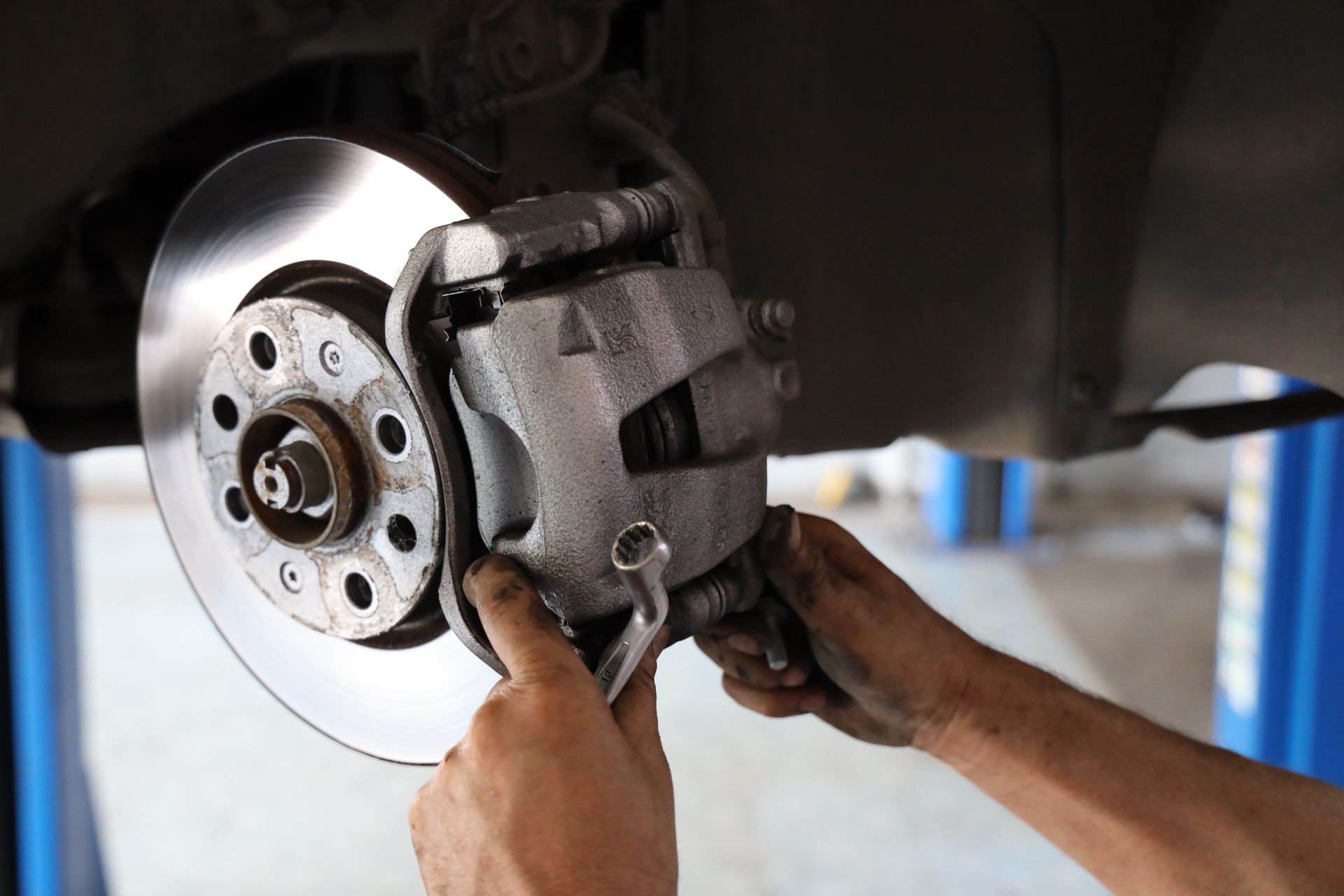
Brake parts are exposed to the road, heat, moisture, and salt. Rotors can develop surface rust quickly, especially if the vehicle sits for a few days. Light surface rust may scrub off during normal braking, but deeper rust, pitting, seized hardware, or sticking caliper parts can create real problems.
Salt and moisture can make brake hardware more difficult to move. Slide pins, clips, backing plates, bleeder screws, and caliper brackets may corrode. A brake pad that cannot move freely can wear unevenly, drag, make noise, or overheat.
This is one reason mileage can be misleading. A car driven short distances near the ocean may need brake attention sooner than its mileage suggests, because the environment is wearing down brake parts every day.
Electrical Problems Can Start Small
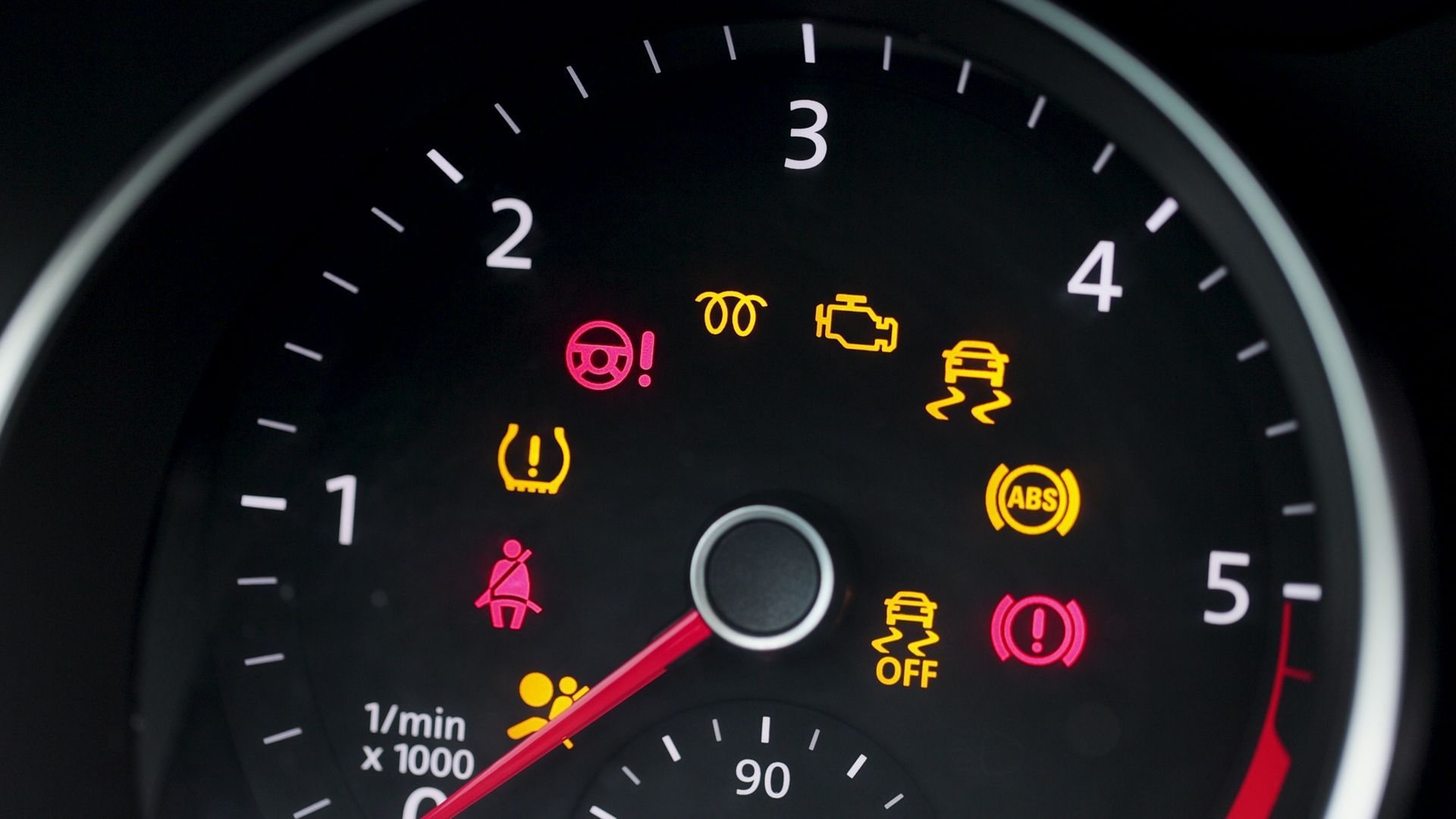
Modern vehicles rely on dozens of sensors, modules, grounds, connectors, switches, and wiring harnesses. Salt air and moisture can seep into electrical connections, causing resistance or corrosion. At first, the problem may be occasional. A warning light appears once, then disappears. A window switch works only sometimes. A light flickers, or a sensor code returns after being cleared.
Electrical corrosion can be annoying because it does not always fail cleanly. A wire may still carry power, but not consistently. A connector may look acceptable until it is unplugged, at which point the greenish corrosion becomes visible inside.
Battery terminals and grounds deserve close attention. Poor connections can cause slow cranking, strange warning messages, charging problems, or electrical behavior that seems unrelated.
Paint, Trim, And Rubber Age In The Sun
Ocean air is only one part of coastal aging. Sun exposure can fade paint, dry out plastic trim, harden rubber, and damage clear coats. The roof, hood, mirrors, door handles, window trim, and headlights usually take the worst of it.
Salt residue on paint can also make washing more important. If it sits there long enough, it can dull surfaces and collect grime. Wax, sealant, regular washing, and keeping drain areas clean can help slow the damage.
Headlights are another common clue. Cloudy headlights are not just cosmetic. They reduce the vehicle's nighttime light output and make the front of the vehicle look older than its mileage suggests.
Where Coastal Aging Often Shows Up First
Coastal wear usually starts in small areas before it becomes obvious. During an inspection, the spots worth checking closely include:
- Brake hardware and caliper brackets, because rust can stop pads and slide pins from moving freely even when the pads still have material left.
- Battery terminals and ground points: corrosion here can cause hard starts, warning lights, charging issues, and odd electrical symptoms.
- Suspension bolts, bushings, and control arms, because salt and moisture can attack the parts that keep the tires planted and the alignment stable.
- Undercarriage seams, exhaust hangers, shields, and brackets, where salt can collect and stay damp long after the road looks dry.
- Door edges, hatch seams, hood edges, and drain holes, because trapped debris and moisture can start corrosion in places that are easy to miss.
These checks are not just about keeping the vehicle looking nice. They help detect hidden wear before parts become harder to repair and more expensive.
Why Maintenance Should Match The Environment
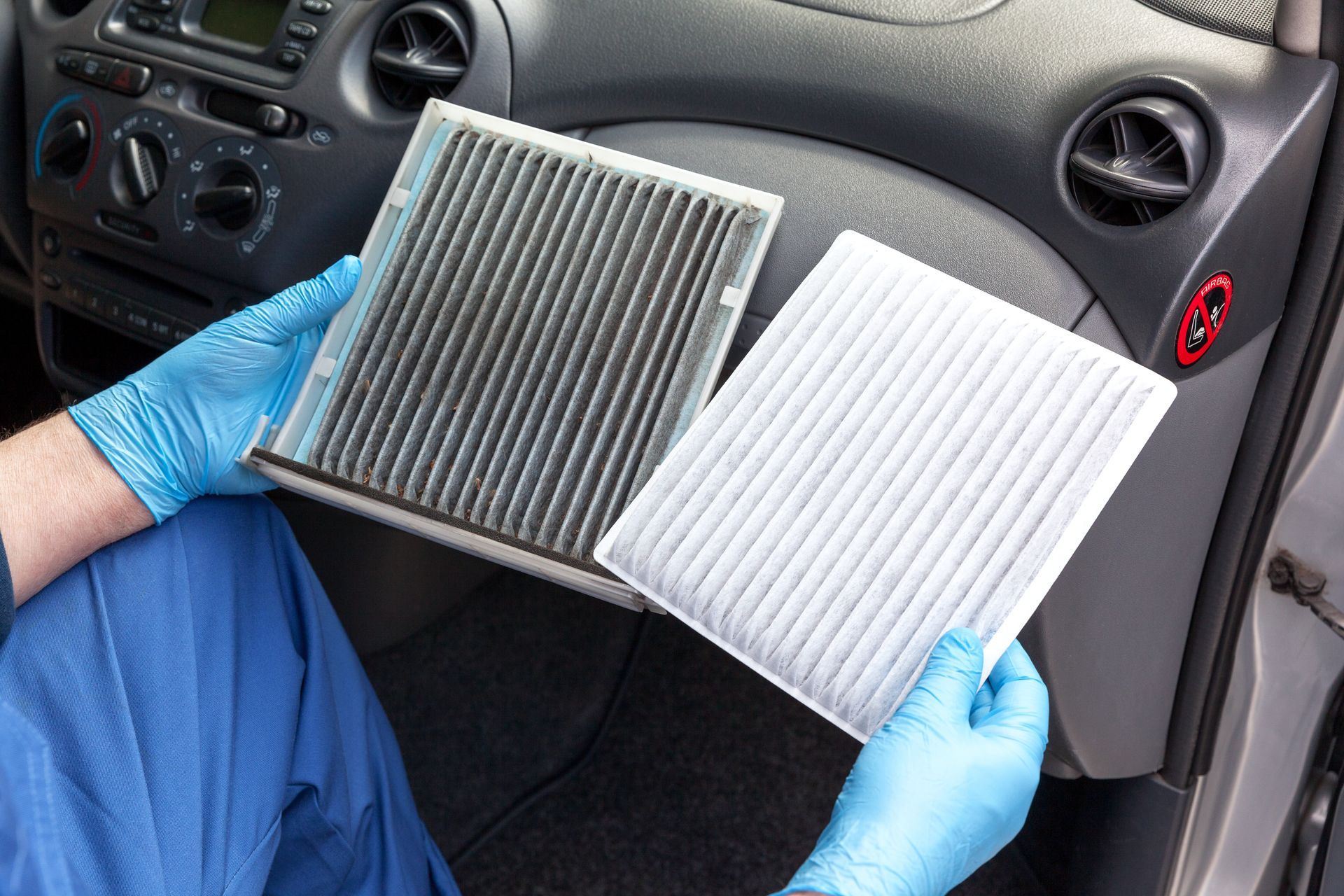
Two vehicles with the same mileage can need different care. A low-mileage coastal vehicle may still need regular maintenance based on age, exposure, and condition. Fluids, filters, brakes, tires, belts, hoses, and underbody parts should be judged by what the vehicle has lived through, not only by miles driven.
Washing the undercarriage, keeping drains clear, protecting paint, replacing worn rubber parts, and checking for corrosion can all help. The bigger point is to stay ahead of the environment rather than wait until a bolt breaks, a brake sticks, or a connector turns green inside.
Mileage is useful, but ocean air writes its own service schedule.
Get Coastal Vehicle Maintenance In Hawaii With LexBrodies
If your vehicle is exposed to ocean air, salt, humidity, sun, and coastal driving, LexBrodies in Hawaii can check for corrosion, brake wear, electrical concerns, aging rubber parts, tire condition, and other signs of environmental wear.
For coastal vehicle maintenance that looks beyond mileage alone,
contact us to schedule an appointment.