

Can Hawaii’s Humidity Cause Brake Fluid Problems Over Time? When Do You Need a Brake Fluid Flush?
September 25, 2026
Brake fluid does not get much attention because it stays hidden inside a sealed hydraulic system. As long as the brake pedal feels normal, many drivers assume the fluid is fine. But brake fluid changes with age, and Hawaii’s warm, humid climate can make moisture contamination an especially important concern over time.
Most modern vehicles use glycol-based brake fluid, which is hygroscopic. That means it absorbs moisture from the surrounding environment. The brake system is designed to limit moisture entry, but it is not completely isolated from the atmosphere forever. Years of heat, humidity, worn seals, and normal service can gradually raise the fluid’s moisture content.
Why Moisture in Brake Fluid Is a Problem
Fresh brake fluid has a high boiling point because the braking system can generate substantial heat. Every time you slow the vehicle, the brakes turn motion into heat, and some of that heat reaches the calipers and fluid.
As brake fluid absorbs water, its boiling point drops. Under hard braking, long downhill driving, or repeated stops, contaminated fluid can get hot enough to form vapor. Vapor compresses much more easily than liquid, which can create a soft or sinking brake pedal when you need firm hydraulic pressure.
Hawaii’s Humidity Can Contribute Over the Long Term
Living in a humid climate does not mean brake fluid becomes contaminated overnight. Moisture enters gradually through microscopic pathways in hoses, reservoir seals, and other parts of the hydraulic system.
Hawaii adds another factor because vehicles deal with warm temperatures and moisture for much of the year. Cars parked outdoors, driven near the coast, or kept for many years can accumulate moisture in the fluid even without visible brake leaks. That is why we evaluate brake fluid based on condition, age, and vehicle recommendations instead of assuming it lasts forever.
Old Brake Fluid Can Promote Internal Corrosion
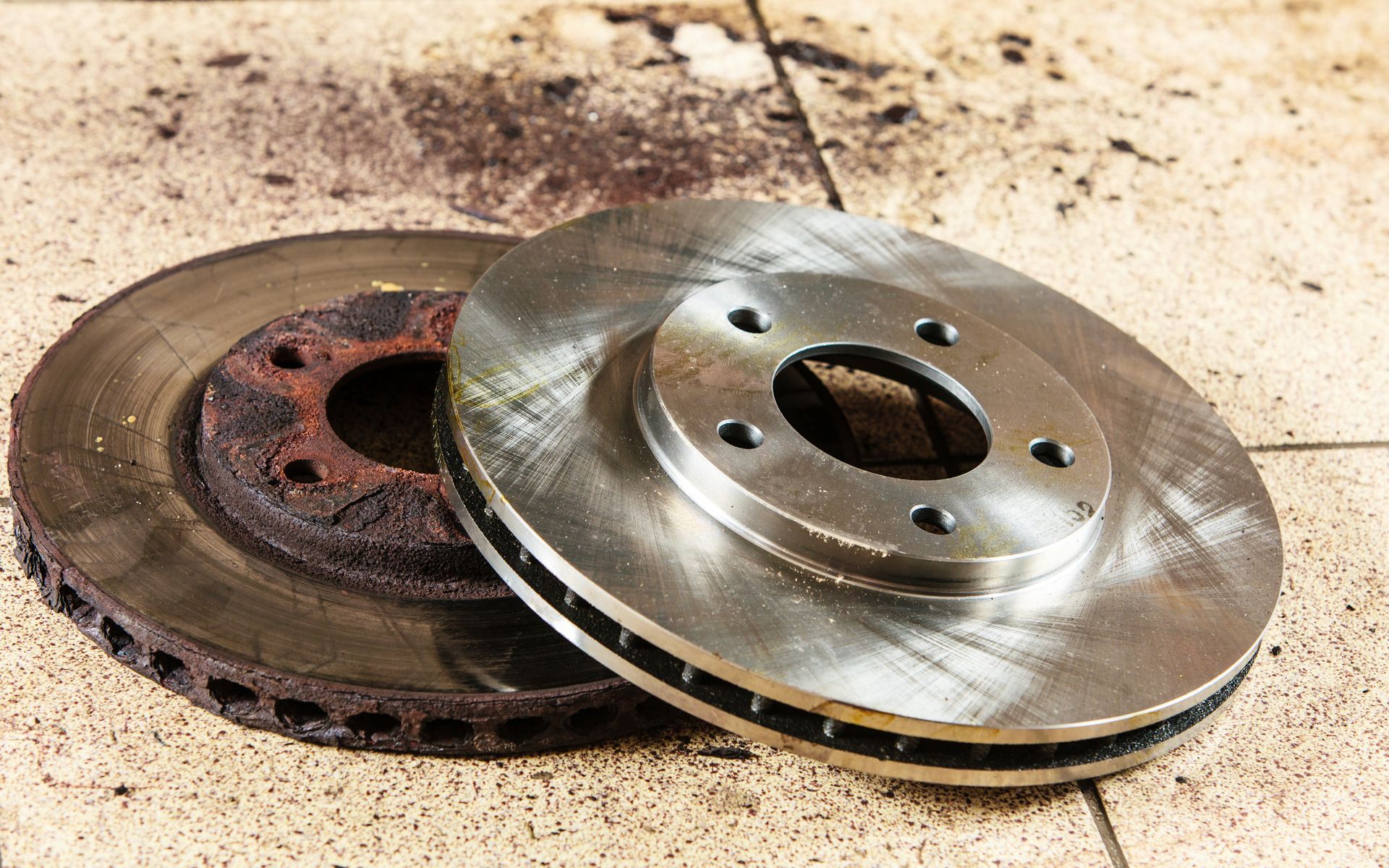
Water inside the hydraulic system does more than lower boiling temperature. It can also contribute to corrosion inside metal brake components.
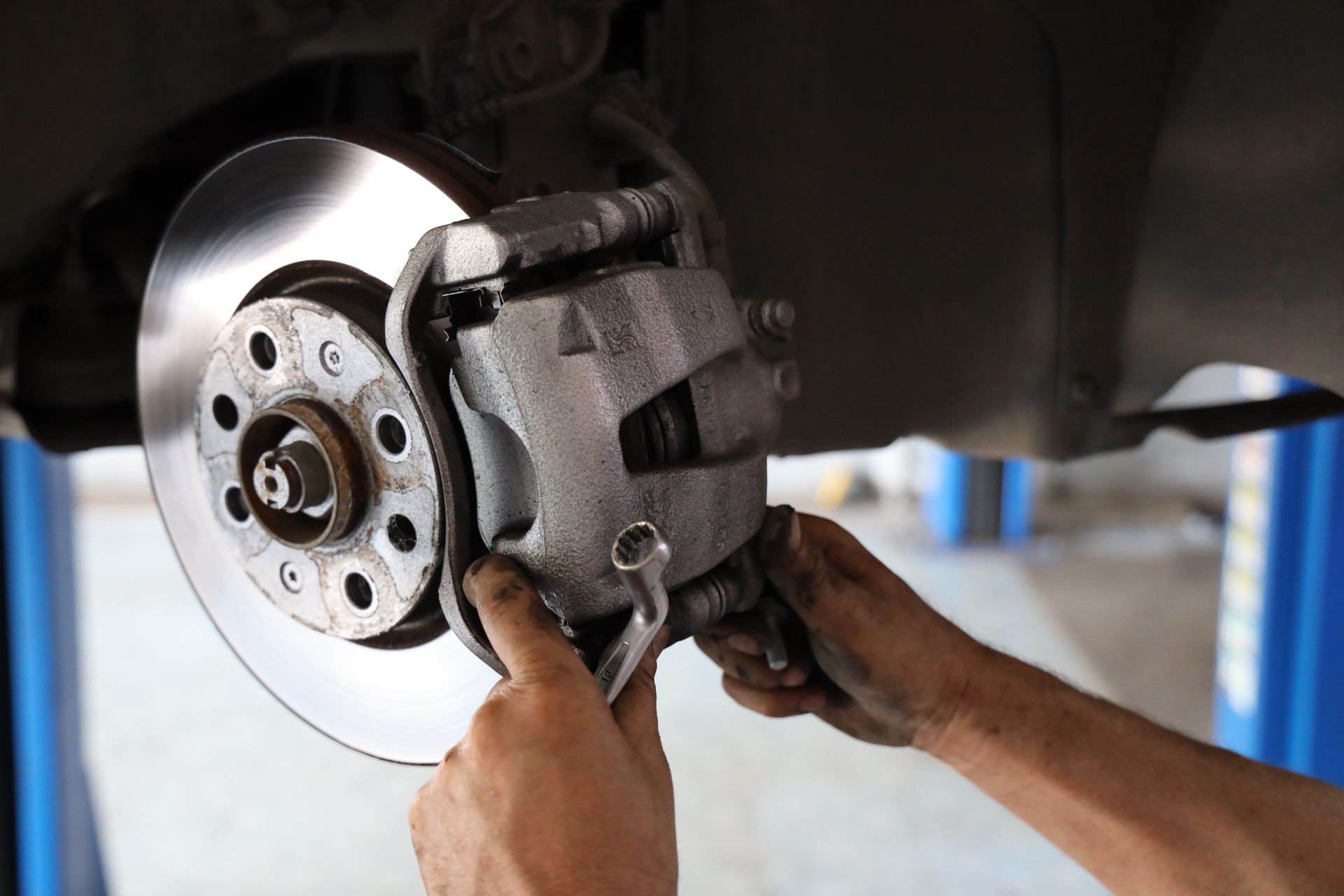
Caliper bores, wheel cylinders on vehicles with drum brakes, ABS hydraulic units, and steel brake lines all depend on clean fluid for protection. Corrosion inside an ABS hydraulic control unit can become especially expensive because the passages and valves are small and precise. Changing deteriorated fluid before corrosion develops is far less costly than replacing damaged hydraulic components.
Dark Fluid Does Not Tell the Whole Story
Brake fluid often becomes darker as it ages, but color alone is not enough to tell us whether it needs replacement. Some fluid becomes discolored from normal use without having excessive moisture, while fluid that still looks fairly clean can already contain more water than it should.
During an inspection, we consider service history, manufacturer recommendations, fluid condition, and when appropriate, moisture testing. We also check for contamination from incorrect fluids. Brake fluid should never be mixed with engine oil, power steering fluid, or other petroleum-based products because those fluids can damage rubber seals throughout the brake system.
When Should You Have the Brake Fluid Flushed?
There is no universal mileage interval that applies to every vehicle. Some manufacturers specify brake fluid replacement by time, while others call for periodic testing or inspection. Driving conditions and vehicle age also affect how quickly the fluid deteriorates.
If the fluid has never been changed and the vehicle is several years old, it is worth checking. We also pay closer attention after brake hydraulic repairs, when moisture testing shows contamination, or when service history is unknown. Regular maintenance gives us the chance to evaluate the fluid before poor pedal feel or internal corrosion becomes the first warning.
A Brake Fluid Flush Is Different From Simply Topping It Off
If the reservoir is slightly low because the brake pads are wearing, adding fluid does not restore the condition of the fluid already inside the system. A proper brake fluid service removes old fluid from the hydraulic circuits and replaces it with fresh fluid that meets the correct specification.
We also want to know why the reservoir level is low before adding anything. A drop can be related to normal pad wear, but it can also indicate a hydraulic leak. If fluid is escaping from a brake hose, caliper, wheel cylinder, or line, that leak needs to be repaired rather than hidden by repeatedly topping off the reservoir.
Soft Brake Pedal Feel Needs Immediate Attention
Moisture-contaminated fluid can contribute to poor pedal feel when the brakes get hot, but a soft pedal can have several other causes. Air in the system, a hydraulic leak, a failing master cylinder, or brake adjustment problems can create similar symptoms.
If the brake pedal suddenly becomes soft, travels much farther than normal, or needs pumping to stop the vehicle, do not assume a fluid flush will fix it. That is a brake safety problem that needs diagnosis. We check the hydraulic system first and then determine whether fluid service is part of the repair.
Get Brake Fluid Service In Hawaii, With LexBrodies
If your brake fluid has not been serviced in years, its history is unknown, or you want to know how Hawaii’s humid conditions have affected it, LexBrodies can check the brake fluid and hydraulic system and recommend service based on its actual condition.