

7 Ways To Make A Long Drive Easier On Your Back
August 28, 2026
Long hours behind the wheel can leave your lower back, hips, shoulders, and neck feeling stiff or sore. Driving keeps the body in one position while road vibration, poor posture, and limited leg movement place steady strain on muscles and joints.
A few adjustments before leaving can reduce that strain considerably. The best results come from setting up the seat correctly, taking planned breaks, supporting the lower back, and avoiding habits that force the body to work harder throughout the trip.
1. Set The Seat Distance Before Adjusting Anything Else
Start by moving the seat forward or backward until you can fully press the brake pedal without lifting your hips from the seat. Your knee should remain slightly bent when the pedal is fully depressed. Sitting too far away forces you to reach with your legs and can pull your lower back away from the seatback.
Sitting too close creates a different problem. Deeply bent knees and hips can increase pressure through the lower spine and reduce circulation in the legs. It can also place you too close to the steering wheel airbag. Once pedal distance is correct, adjust the steering wheel and seatback rather than moving the seat forward again.
2. Support The Natural Curve Of Your Lower Back
Most people have a slight inward curve in the lower spine. When the seat provides too little support, the pelvis rolls backward and the lower back rounds. Holding that position for several hours can contribute to muscle fatigue and soreness.
Use the vehicle’s adjustable lumbar support if it has one. Increase it until you feel steady contact across the lower back without being pushed uncomfortably forward. When built-in support is not enough, a small lumbar cushion or tightly rolled towel can fill the space between your back and the seat.
Avoid using an oversized pillow. Thick padding can move your torso too far forward, reduce support from the seatback, and change your distance from the steering wheel.
3. Keep Your Hips And Shoulders Against The Seat
A heavily reclined seatback may seem relaxing, but it often causes the driver to reach for the steering wheel. Reaching pulls the shoulders away from the seat and places continuous load on the upper back and neck.
Adjust the backrest so your shoulders remain supported while both hands can reach the wheel comfortably. With your shoulders against the seat, your wrists should be able to rest near the top of the steering wheel. When your hands return to their normal driving position, your elbows should stay slightly bent.
Keep your hips level rather than leaning toward the center console or resting against the door. Uneven posture can place more pressure on one side of the lower back and pelvis.
4. Remove Bulky Items From Your Pockets
A wallet, phone, key case, or other thick object in a back pocket can tilt the pelvis while you sit. Even a small imbalance becomes uncomfortable after several hours because one side of the body remains raised continuously.
Move bulky items into the center console, glove compartment, or another secure storage area before driving. Keep loose objects away from the floor so they cannot roll beneath the pedals.
Clothing also affects comfort. Tight waistbands and heavy jackets can restrict movement or create pressure against the seat. Adjust layers before departure so you are not twisting to remove clothing while driving.
5. Plan Breaks Before Your Back Starts Hurting
Waiting until pain becomes strong usually means the muscles have already been held in one position too long. Plan a stop about every two hours, or sooner when stiffness begins. A short break can improve circulation and reduce tension through the hips and lower back.
During each stop, walk for several minutes and gently move the areas that have remained still. Useful movements include:
- Standing upright and extending the hips
- Walking at a comfortable pace
- Rolling the shoulders backward
- Gently turning the upper body
- Stretching the calves
- Changing which leg leads while walking
Avoid aggressive stretching when your muscles are cold or sore. The goal is to restore movement, not force the body into an extreme position.
6. Use Cruise Control Carefully
Cruise control can reduce fatigue on open highways by allowing the right leg to relax periodically. Keeping one foot fixed on the accelerator for hours can create tension through the ankle, hip, and lower back.
Use cruise control only when traffic, weather, and road conditions allow it. Keep both feet positioned where you can respond quickly, and never rest a foot on the dashboard or sit with one leg folded beneath you.
Do not use cruise control on wet, icy, winding, or heavily congested roads. Maintaining full speed control is more important than reducing leg fatigue when traction or traffic conditions are changing.
7. Reduce Vibration And Harsh Movement
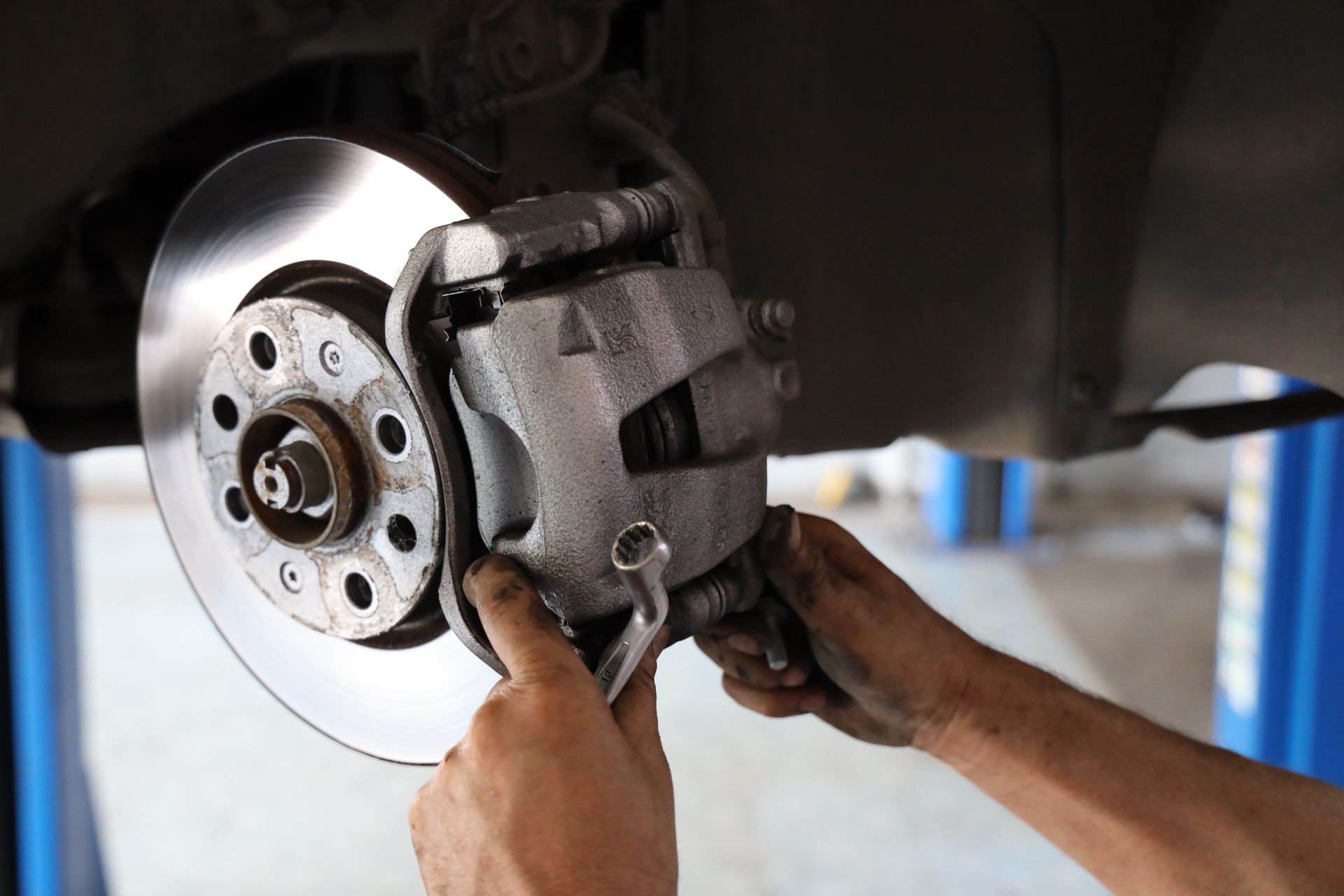
Tire imbalance, incorrect pressure, worn shocks or struts, damaged suspension parts, and poor wheel alignment can make a long drive harder on the body. Repeated vibration through the seat and steering wheel keeps muscles working to stabilize the torso, even when the movement feels minor.
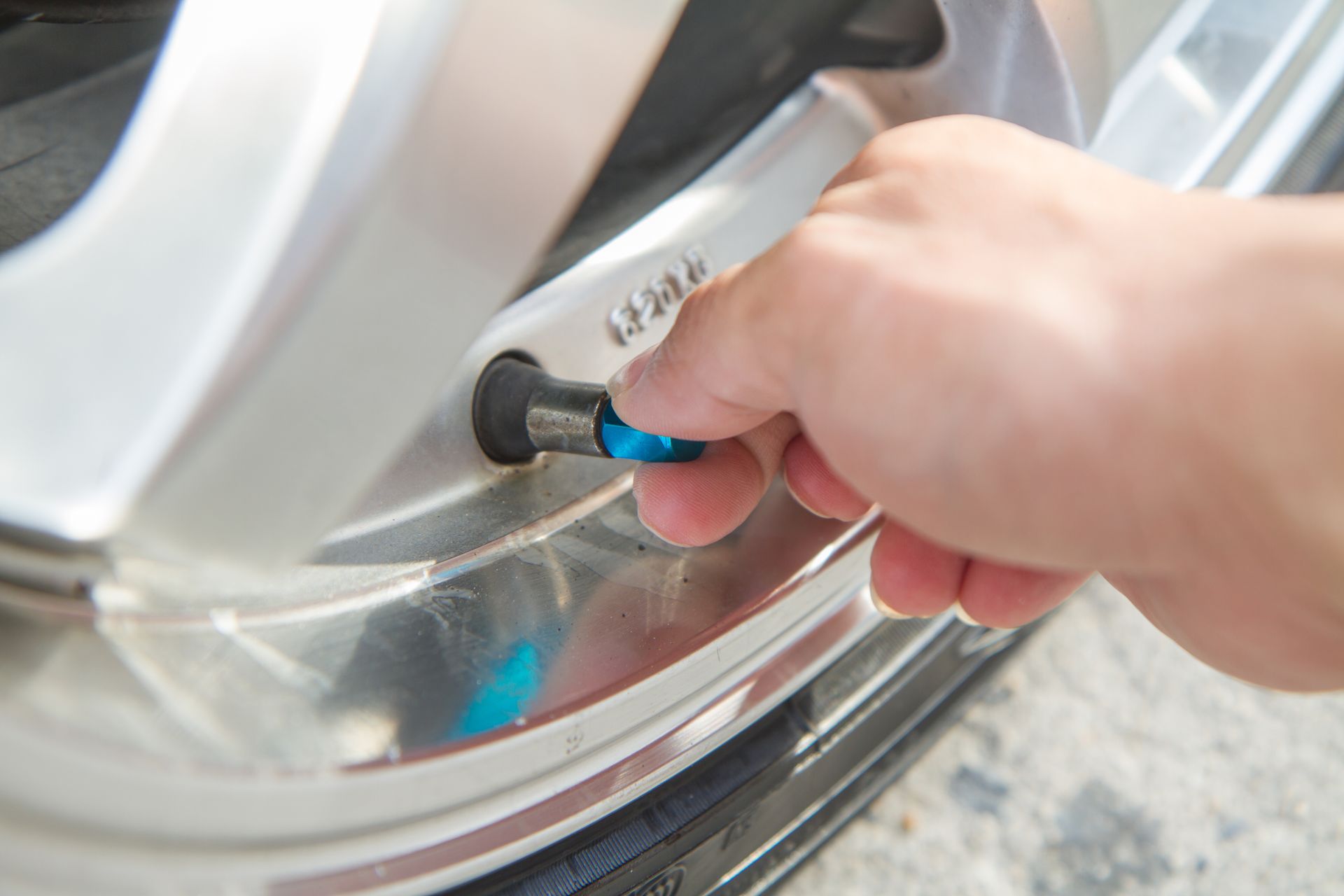
Before a road trip, check tire pressure using the specification on the driver’s door placard. Have persistent vibration, bouncing, steering pull, or clunking evaluated. An inspection can identify tire wear, wheel damage, or suspension concerns that affect both comfort and vehicle control.
Regular maintenance also supports a more comfortable trip. Properly inflated tires, effective suspension components, supportive seats, and a climate control system that maintains a comfortable cabin temperature all reduce driver fatigue.
Get Road Trip Vehicle Service In Hawaii With LexBrodies
LexBrodies can check your tires, wheel balance, alignment, steering, suspension, seat controls, and climate system before a long drive in Hawaii.